

Japan’s declining birthrate and aging population are shrinking the workforce, so raising worker productivity is essential for sustainable growth. In particular, enhancing the abilities of the young people who will shape the future is a vital foundation for energizing the entire economy.
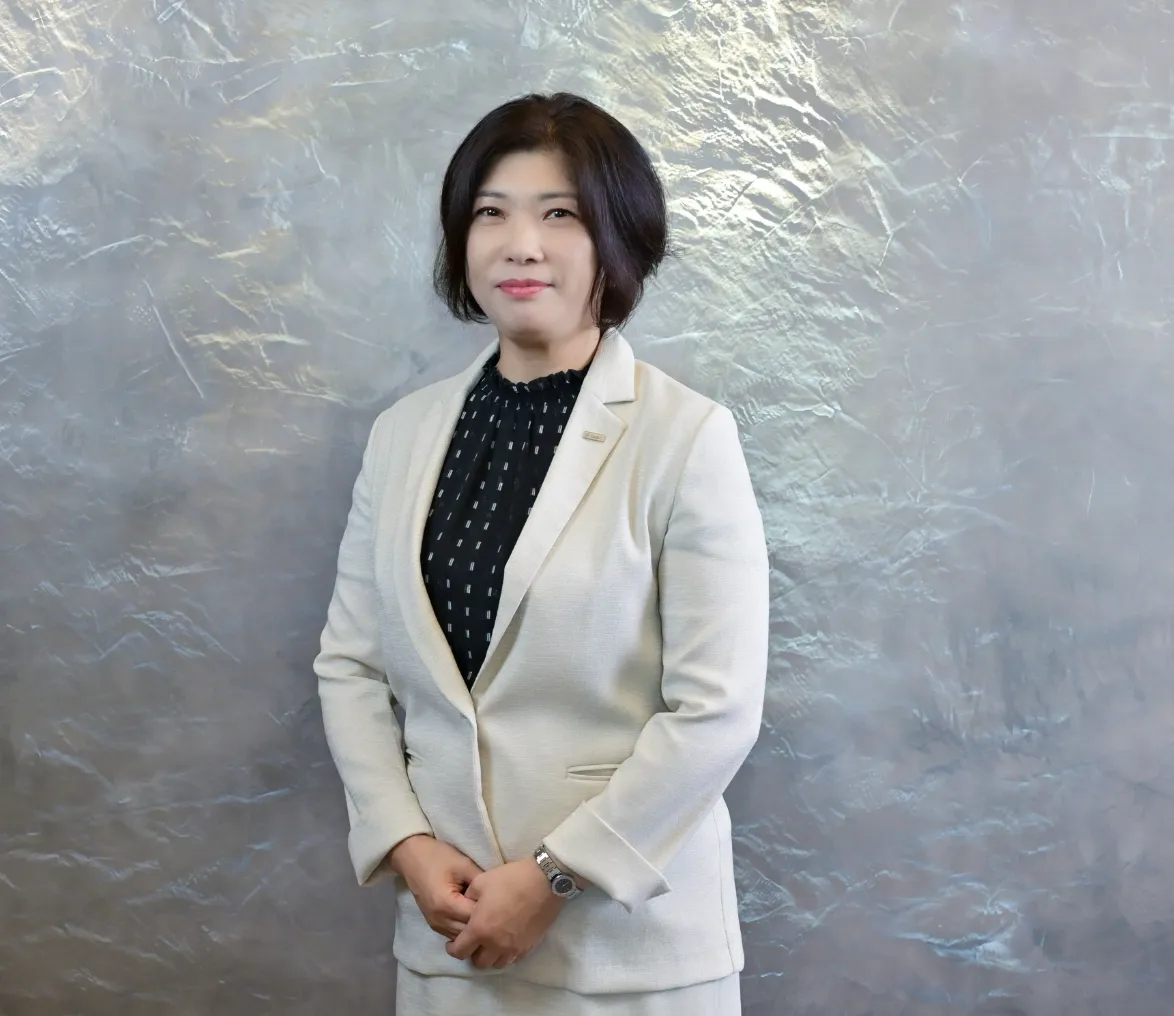
Against this backdrop, Sumitomo Mitsui Banking Corp. (SMBC) set out to promote its digital financial service Olive to younger customers to improve financial literacy and encourage cashless payments. Megumi Itagaki, Nagoya Area Main Office, SMBC, had strong desire for young people to have a bright image of their future and belief that gaining experience through practice, which increases what they are capable of, is what truly builds their confidence and broadens their choices. She began to explore whether promoting Olive itself could become a hands-on learning opportunity for students. To put this idea into action, she approached what she called a “university of destiny,” a large university with an SMBC ATM on campus and eventually met Section Chief Gouki Yamamoto, Meijo University Service Co., Ltd., who was already linking corporate problem-solving with student learning. Their shared vision led to the launch of the project.
A Marketing Workshop Where
Students Take the Lead:
Turning Real-world Business
Challenges into Practical
Learning Opportunities
The “Marketing and Sales Promotion Workshop with Sumitomo Mitsui Banking Corp.” was a co-creation project in which Meijo University, its students, and SMBC each had clear roles. The university provided “opportunities” by offering a place for practical learning. Students were responsible for “planning,” developing and proposing marketing strategies. SMBC was responsible for “implementing the plans,” turning the workshop’s outcomes into real initiatives.
A diverse group of students joined the workshop, including humanities and science majors and doctoral candidates. Their motivations varied: some sought practical marketing knowledge not available in their majors, while others wanted to deepen their career perspectives by tackling real-world challenges in the financial industry. For them, the workshop offered hands-on learning they could not gain from lectures alone, and their proactive engagement became the project’s driving force.
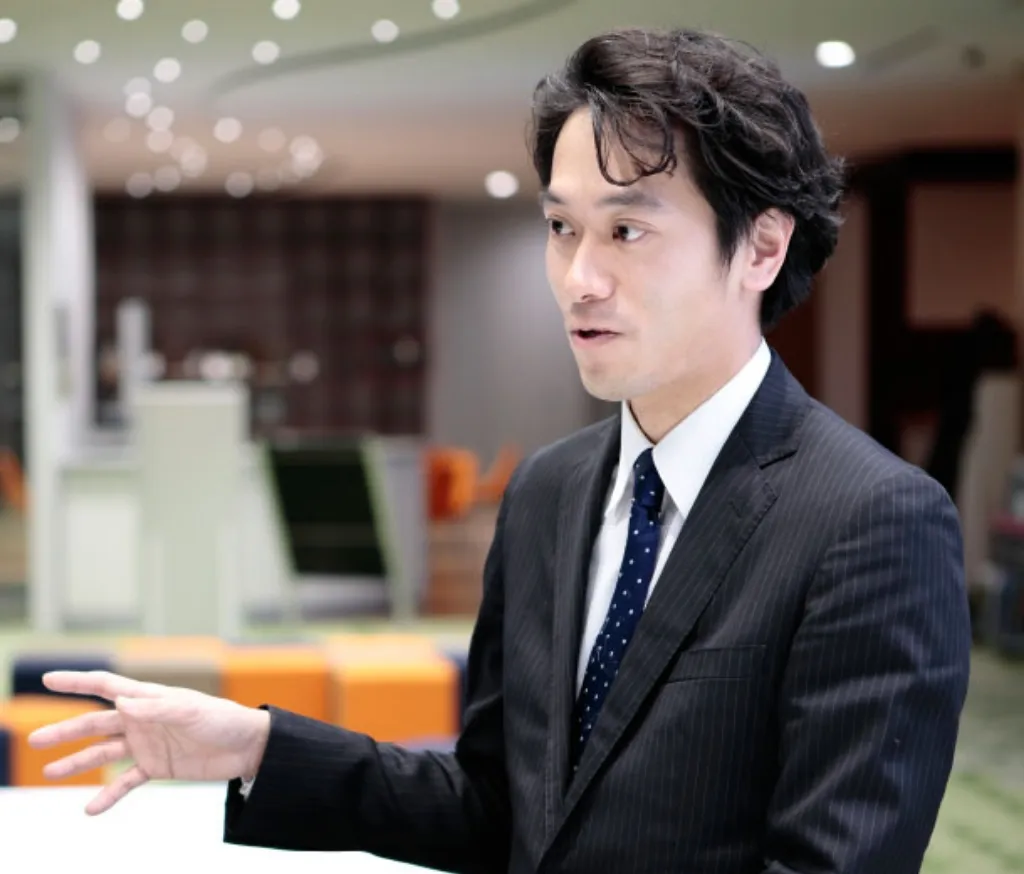
Over two months, the students developed marketing plans, working in teams to interview friends on campus and uncover genuine student insights. Yamamoto explains the educational value: “Through these interviews, the students reexamined what they took for granted, treated it as objective insight, and linked it to a marketing perspective. They experienced the whole process from research through planning, and creating such practical learning on campus was extremely meaningful”
.
To maximize the workshop’s value, Itagaki and her colleagues acted as facilitators who drew out students’ thinking rather than simply providing right answers. They invited young bank employees of a similar age to join the discussions, creating an atmosphere where students could speak freely. “We prioritized students’ own opinions over unilaterally conveying our ideas, because we believe the unique perspectives they bring have immense value”
, says Itagaki. The belief that “the students are the main characters” guided the entire project.
Workshop Activities
Strengthen Student Skills and
Financial Knowledge,
Leading to Promotions
Based on Their Work
Participants gained multifaceted learning. One student described concrete skill development: “I was not good at bottom up research, but through the interviews I strengthened my ability to understand the background behind people’s opinions and thoughts”
. Another reflected on a deeper understanding of marketing: “Through the interviews we heard unexpected opinions that differed from our assumptions, which made me realize the importance of not only forming hypotheses but also conducting actual research.”
Along with new skills and perspectives, students also deepened their understanding of the financial service itself. A student who was not even aware of Olive’s existence at first now says, “I feel it is an outstanding financial service.”
Another student who already used Olive commented, “Through this project I discovered features I never knew existed and realized I had not been making full use of the service.”
The students’ plans and proposals, the culmination of the workshop, are now being implemented. An Olive flyer they designed is used on campus digital signage. Based on their insight that preparing to study abroad is when students feel a strong need for financial services, SMBC is also promoting Olive at study abroad information sessions to highlight its convenience for living overseas. Looking ahead, Itagaki reflects on the value this initiative will create:
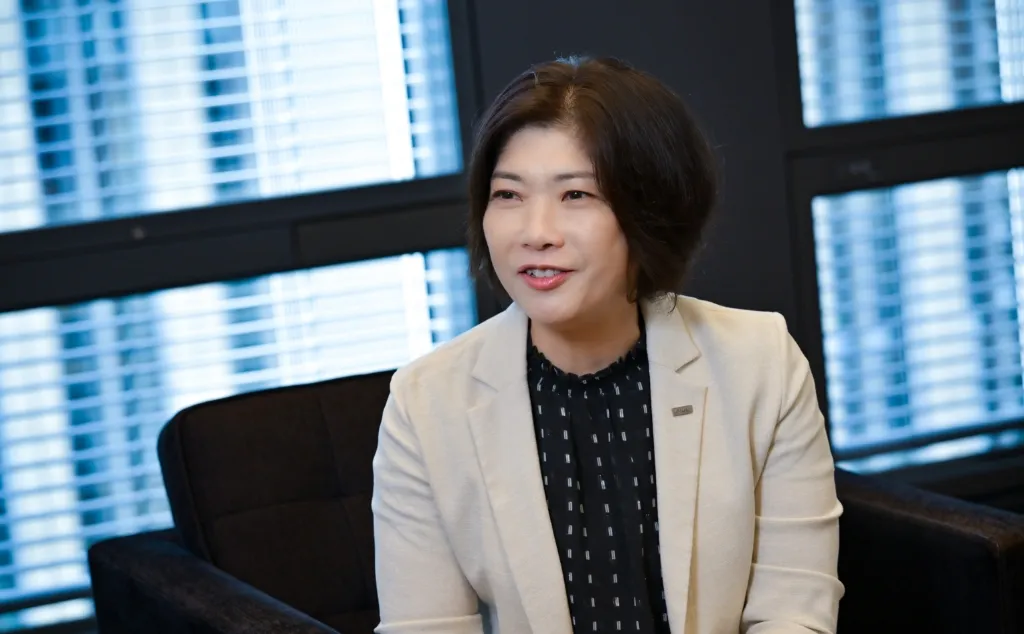
“I want the students to see their ideas come to life and lead to tangible results that grow step by step into something much larger. I have faith that we will see that future together.”
This “Sampo-Yoshi (three-way satisfaction for the seller, the buyer, and the community),” which brings value to all three parties, including student growth, has been highly praised within the company. The initiative won the Group CEO Award at the SMBC Group Shaka-kachi* AWARD 2024, with President and Group CEO Toru Nakashima, Sumitomo Mitsui Financial Group, commending it as a project that contributes to the community through business and realizes “Sampo-Yoshi”. Since the award, it has attracted many inquiries from other Group departments, and its influence continues to grow.
*Shaka-kachi is SMBC Group’s slogan, meaning “creating social value.”
Establishing the
"Nagoya Model" and
Expanding
It Prefecture-Wide:
Envisioning a Sustainably
Growing
Future Through
Continuous Challenge
Itagaki now aims to expand this initiative as part of a “Nagoya Model” to around 50 universities in Aichi Prefecture. Beyond that, she envisions integrated financial, economic, and career education from elementary and junior high school through high school and university.
“First, I hope to create model content for financial and career education that emphasizes practical application, and then it would be fantastic to expand it throughout Aichi Prefecture.”
She also stresses the importance of long term human resource development. “Rather than waiting until university to think about their careers, I believe it is crucial for students to start thinking about their future from elementary and junior high school, and to gain experience steadily working toward their goals over time. That is what nurtures truly capable people.”
Reflecting on the project’s theme of “growth,” Itagaki links the initiative to her own career.
“I believe growth begins with interest in the world and awareness of its issues. It is then essential to ask what you want to do, what you can do, and whether society needs it, while reading social change and continually updating yourself. Above all, one must have the courage to keep taking on new challenges. By thinking things through and persevering in the face of difficulties, true growth emerges at the end of this steady, practical path.”