


Global demand for space-based services such as satellite data for autonomous driving and smart agriculture is growing. Under its Basic Plan on Space Policy, the Japanese government aims to double the market size from 2020 levels by the early 2030s, yet domestic rocket launch capacity is not catching up. Many Japanese satellite-related businesses must therefore rely on overseas launch services, creating serious challenges around costs, lost business opportunities, international competitiveness, and economic security.
Against this backdrop, privately led rocket development is under way in Japan. Interstellar Technologies Inc. (Interstellar), the first Japanese private company to reach space with a rocket developed entirely with domestic technology, is one of the players. Through his work supporting startups, Yuki Takeda of Sumitomo Mitsui Banking Corporation’s Growth Business Development Dept. recognized customers’ challenges of space transportation and began exploring an investment in Interstellar to support its growth from a financial institution’s perspective.
SMBC Group’s First Investment in a Space Startup
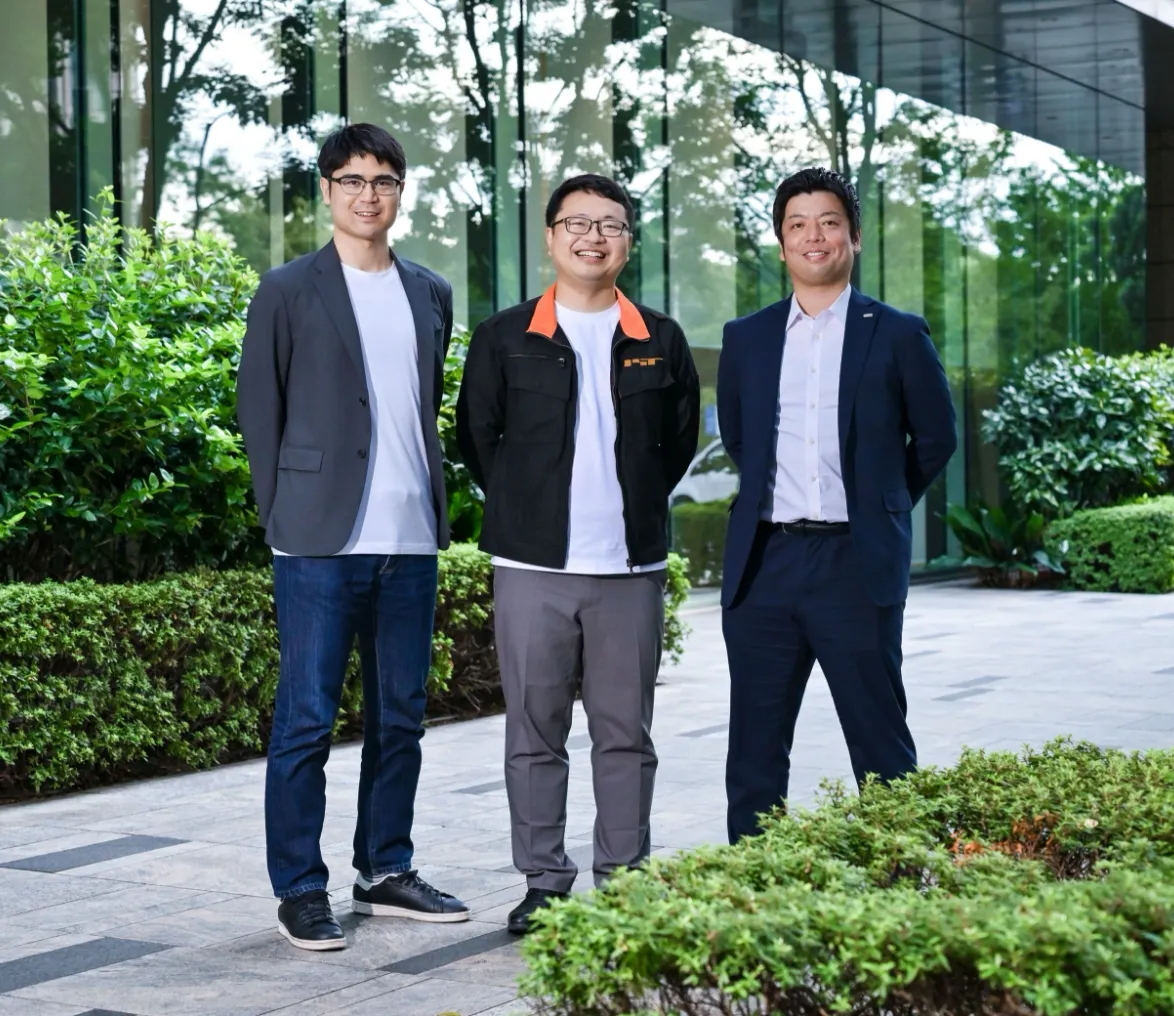
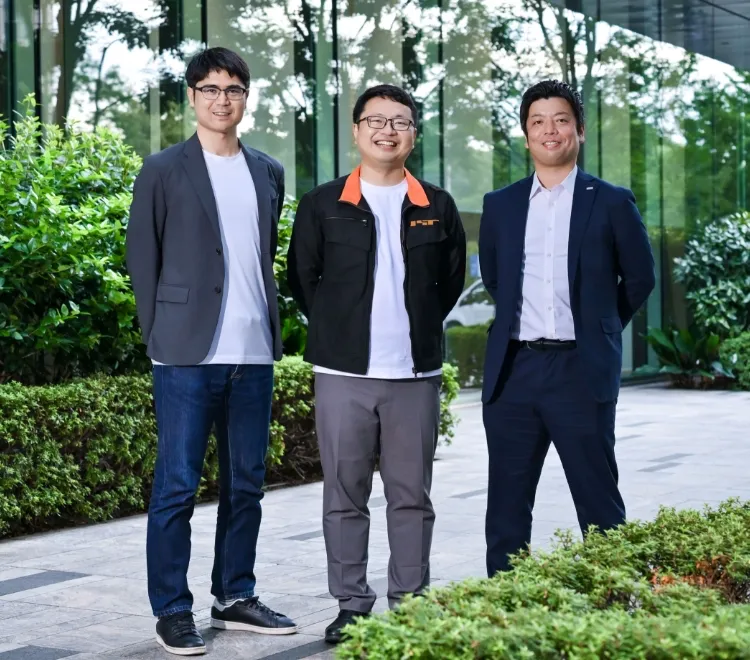
Interstellar is a leading company in Japan’s private space transportation sector, now developing ZERO, a rocket to launch small satellites at low cost and high frequency. In July 2025, SMBC announced an investment in Interstellar through its Social Value Creation Investment Framework and a business alliance to help build out the supply chain. This is SMBC Group’s first investment in a space startup. Yuki Takeda, who led the initiative, explained the project’s social significance:
“Domestic satellite operators and other companies that want to use space face a dual challenge: higher costs and lost business opportunities caused by reliance on overseas launch providers. Addressing this challenge in space transportation infrastructure is an important issue that we, as a financial institution, must tackle, because it directly supports the growth of many of our clients.”
Interstellar CEO Takahiro Inagawa emphasized that Japan can overcome these transportation challenges by tapping its latent potential:
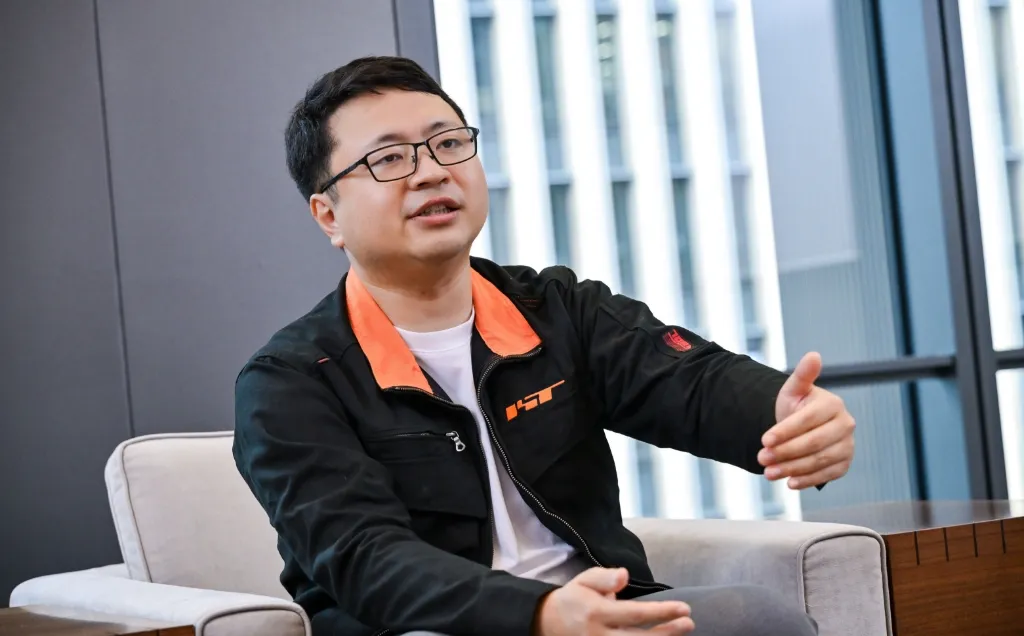
“Japan is one of the few countries that combines geographic conditions suitable for rocket launches with advanced industrial technology, giving it the potential to compete globally. To maximize this advantage, we are strategically selecting technologies that balance cost and performance, such as adopting methane as a next-generation fuel. Our goal is to develop rockets as industrial products that can be supplied reliably.”
Realizing Investment in a Highly Uncertain, Unprecedented
Project through Cross-Department Collaboration
With no precedent for investing in a space startup, building consensus inside the bank required careful deliberation. The team had to articulate why SMBC should take interest in the space sector, and particularly space transportation and Interstellar, despite limited internal expertise. To tackle this, Takeda partnered with Hiroto Sato of the Sustainability Development Dept. to map out the overall business landscape.
During the full-scale review, Takeda led efforts to communicate Interstellar’s potential, highlighting its collaboration with the public and private sectors, including selection for the national SBIR program and a capital and business alliance with Woven by Toyota, Inc. Sato coordinated with relevant departments, working with risk management and other divisions to prepare materials that evaluated both potential risks and the business’s social value from multiple angles. He recalled:
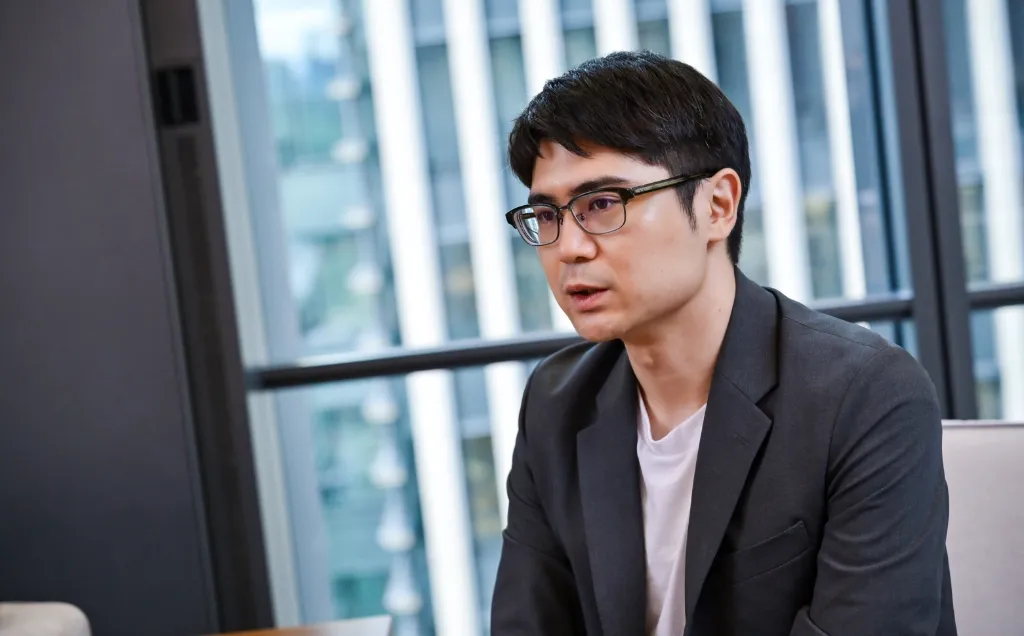
“Pursuing a new line of business means taking on new risks. That is why the defensive perspective supporting the initiative is just as important as the offensive one. Based on this view, we held extensive discussions with risk management, compliance and other departments, deepening stakeholders’ understanding of both the significance and the risks of the project.”
After this detailed review, the project reached its final decision-making stage. Takeda recalls his state of mind at that time:
“There were times when my confidence wavered about investing in such a high-uncertainty field. But the executive in charge and my supervisor encouraged me, saying, ‘If you examine it thoroughly without hesitation, we will be fine.’ That support enabled us, as an organization, to step forward and take on the risk.”
The investment in Interstellar ultimately went ahead. As SMBC’s first investment in a space startup, it received positive feedback inside and outside the bank. By clearly signaling SMBC Group’s commitment to the space industry, the deal prompted concrete inquiries even from clients with no previous connection to space, such as manufacturers with advanced technological capabilities. Inagawa describes this investment as a historic event for the space industry:
“At this turning point, when the private sector is taking the lead in building Japan’s space industry, SMBC has joined not only as a provider of capital but also as a business partner responsible for building the supply chain. This represents an important inflection point in the history of the space industry.”
Building Japan’s Space Industry Supply Chain
to Make Space Social Infrastructure for All
Looking ahead, Interstellar plans to complete the inaugural launch and then high-frequency operation of ZERO, the rocket now under development, and to expand its own communications satellite business. By vertically integrating everything from launch capabilities to service provision, the company aims to build social infrastructure that enables everyone to access space.
To realize this concept, SMBC will use the Group’s broad network to identify potential suppliers with the precision processing and specialized welding technologies Interstellar requires and will drive concrete business matching. Takeda also points to another important aspect of this activity’s social significance:
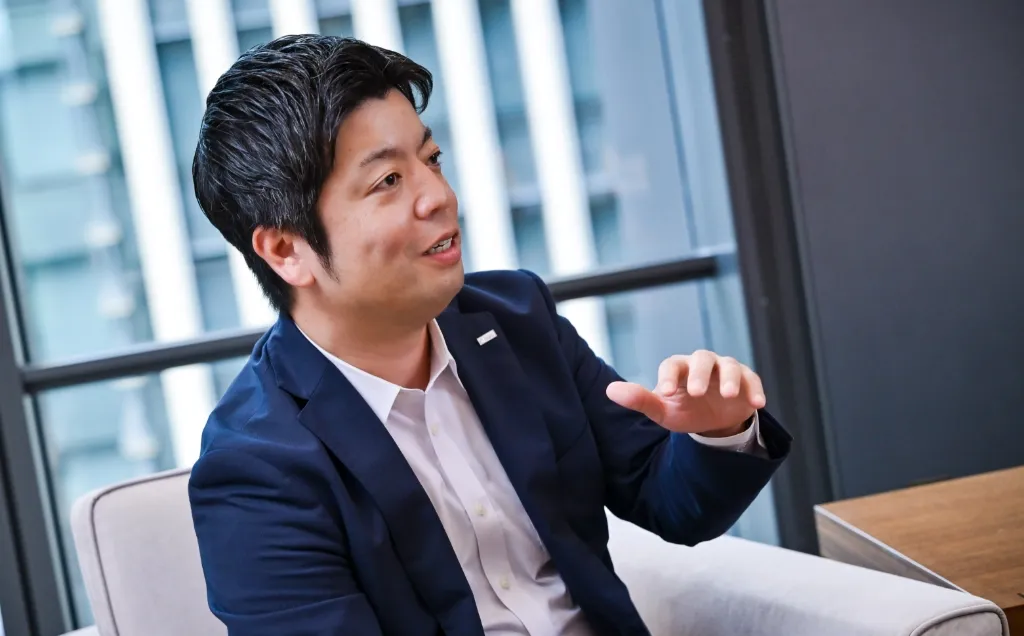
“Many small and medium-sized enterprises risk losing their technologies because they have no successors. By connecting the technologies of such companies to growth areas like the space industry, we can help address business succession issues and nurture new industries at the same time.”
Insights from this series of activities will be systematized into a support model for building supply chains for emerging industries. SMBC expects to apply this model to other high-potential deep-tech fields and to the structural transformation of existing industries.
Sato describes the essence of these efforts as the work of connecting people:
“Society is made up of people, and it is also people who solve social issues. By connecting diverse people inside and outside the company, as we did in this initiative, we can turn grand visions into reality. That is what ultimately leads to Creating Social Value.”
Finally, Inagawa shared his view on the ultimate value this initiative will bring to society:
“The growth of the space industry means that space will become more familiar and accessible to the general public. If we can resolve the issue of space transportation, which is the largest barrier, many more people will be able to enjoy its benefits, and everyday life will become richer. By solving this most difficult challenge, we hope to help realize a more prosperous society.”