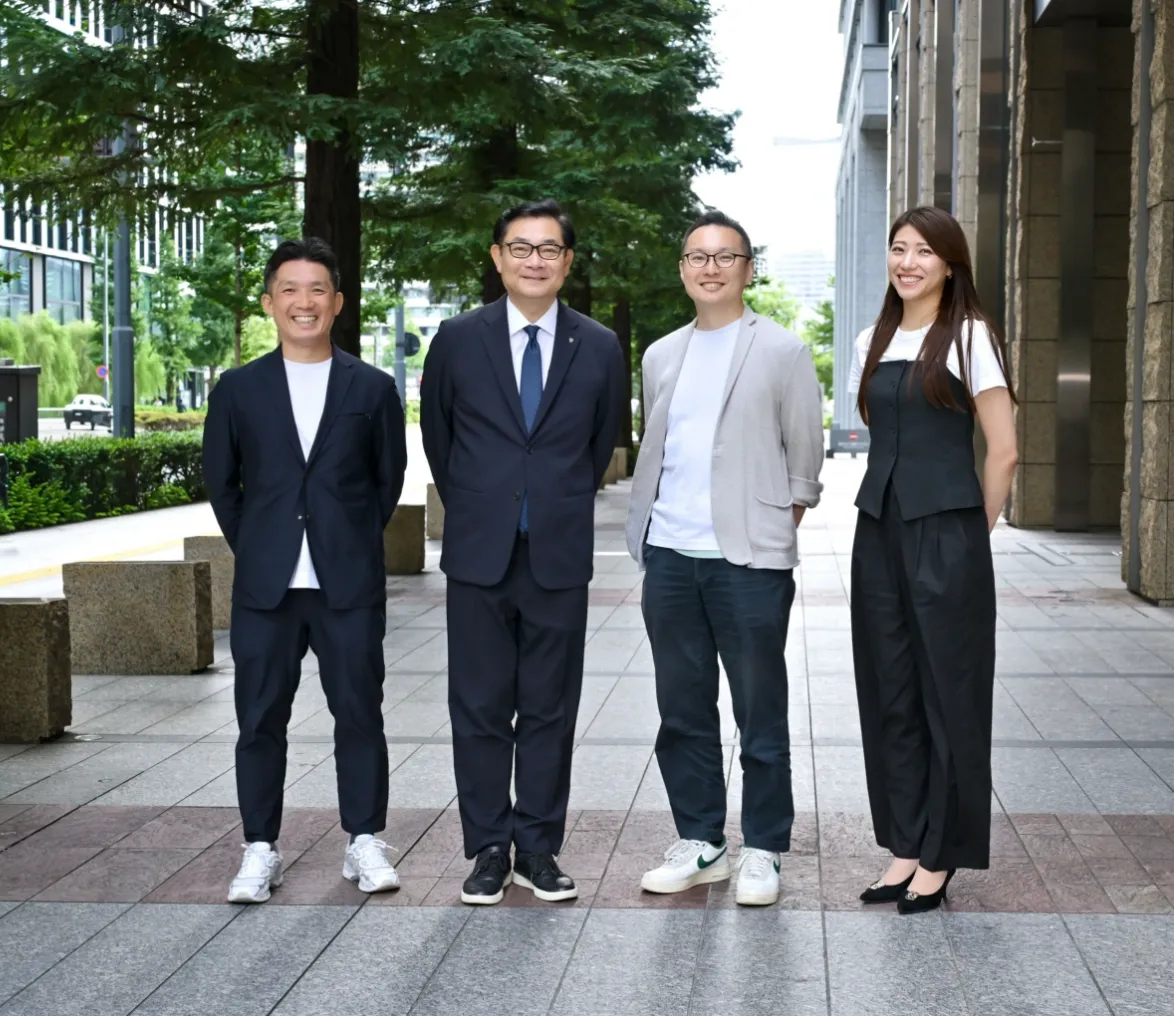
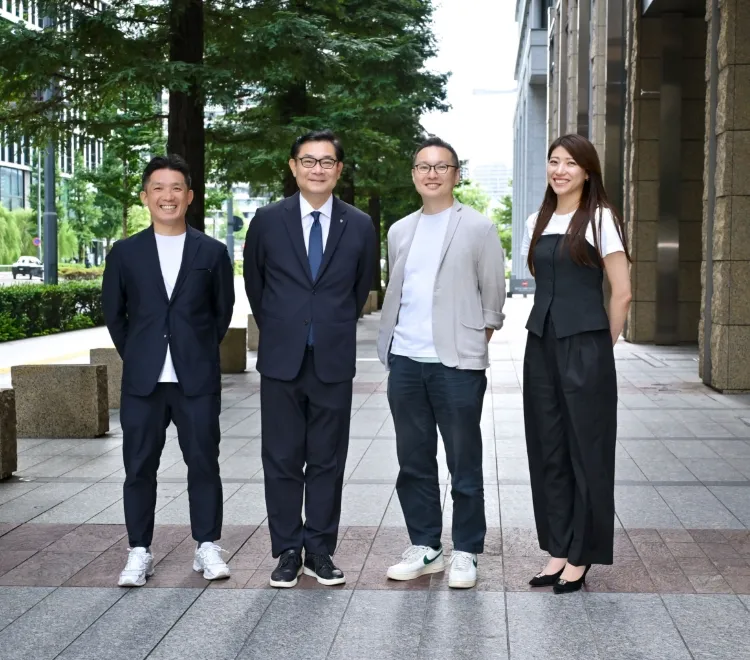




In recent years, expectations have grown for sports to drive regional revitalization and help address social issues, beyond their value as competitive entertainment. Sumitomo Mitsui Banking Corp. (SMBC) has recognized this multifaceted value through sponsorship of the Nippon Series and participation in the W-League
, and is now exploring ways to use sports as a tool for solving social issues.
Meanwhile, Avispa Fukuoka Co., Ltd. (Avispa Fukuoka), which aspires to be “the football club in Japan that takes on the most social issues,” works with companies and local governments to tackle local challenges. At the same time, the club has focused on expanding “Avispa DAO,” a Web3-based community that uses blockchain to engage fans and supporters and help revitalize the surrounding community.
The two organizations met at a startup event and found common ground in their philosophy to address social issues, their ambition to transform communities, and their shared view of Web3 to achieve that goal. That alignment led to a collaboration to revitalize communities through sports.
Nurturing Young Talent with DAO Members:
The Avispa DAO Academy Co-Education Program
In March 2025, SMBC and Avispa Fukuoka signed a “Web3 Community Co-Creation Partner” agreement. Based on a shared recognition that the conventional one-way model, in which clubs invest resources and fans support them mainly by purchasing merchandise and tickets, has limits to how far it can expand the sports industry, the partnership aims to build a new community where the club and its fans share a vision and work together to drive growth and help solve social issues.
As a first step, the “Avispa DAO Academy Co-Education Program supported by SMBC” launched in June. The program lets fans and supporters, as DAO members, provide medium- and long-term support for the academy’s player development process, which had been managed solely by the club. To ease perceptions that DAOs are highly technical, Chair of the Board Takashi Kawamori explains the concept with an everyday metaphor:
“We explain Avispa DAO as a ‘theme park’ and the tokens, which grant participation rights, as ‘admission tickets.’ Inside the park, participants can enjoy various ‘attractions,’ such as voting on merchandise designs and exclusive events.”
This program is a new “attraction” in that theme park. It shares the academy’s status and challenges with DAO members, enabling them to follow U-15 academy candidates from the selection stage. Once players join, DAO members and SMBC work together to support them through scholarships.
Scholarship support details are decided by a vote of DAO members, and the scholarship system is funded with money raised through crowdfunding. It also reserves a special support quota for children who had previously given up applying for selection because of financial constraints, reflecting Kawamori’s intentions for the program:
“There are children who have exceptional talent but give up on challenging themselves because of financial constraints. We wanted to reach each of them, yet Avispa Fukuoka could not realistically provide all of the support on its own. By working with DAO members and SMBC, we believe we can overcome these challenges.”
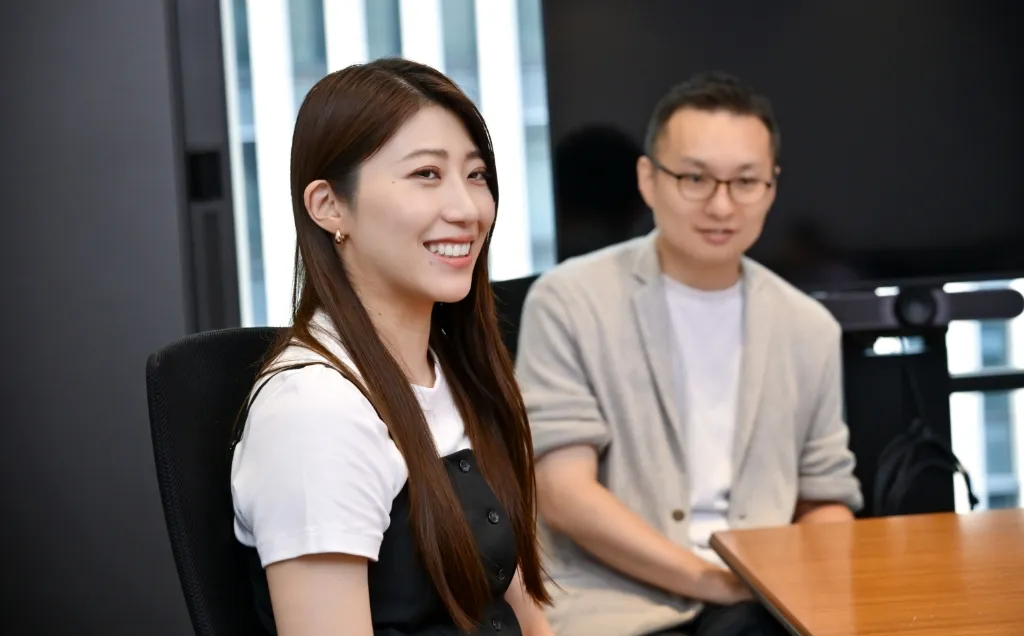
SMBC Sustainability Development Dept. Vice President Ayano Hirata, an athlete herself, emphasized the program’s significance from a player’s perspective:
“Opportunities to challenge oneself on the path toward a professional career are extremely limited. There is immense value in enabling children to unlock their potential without being forced to give up these precious opportunities for financial reasons.”
Making the Program a Reality in Three Months Through
Prioritization and Dialogue
The program began about three months after the partnership, timed with the academy’s summer selection. However, launching it posed a major challenge. Launching it required balancing community involvement in the “competitive realm,” which affects players’ futures and team competitiveness, with the club’s firm development policies. Both sides clarified priorities in advance: Avispa Fukuoka focused on improving competitive strength and maintaining development policies, while SMBC prioritized accelerating community revitalization.
From the early planning stage, the academy’s on-site director joined discussions so frontline perspectives were reflected in the design. The scholarship was structured to cover burdens such as overseas tour costs, a major concern for parents. Supporter involvement in selection was limited to “selection assistance,” and the club kept final decision-making authority in line with its development policy.
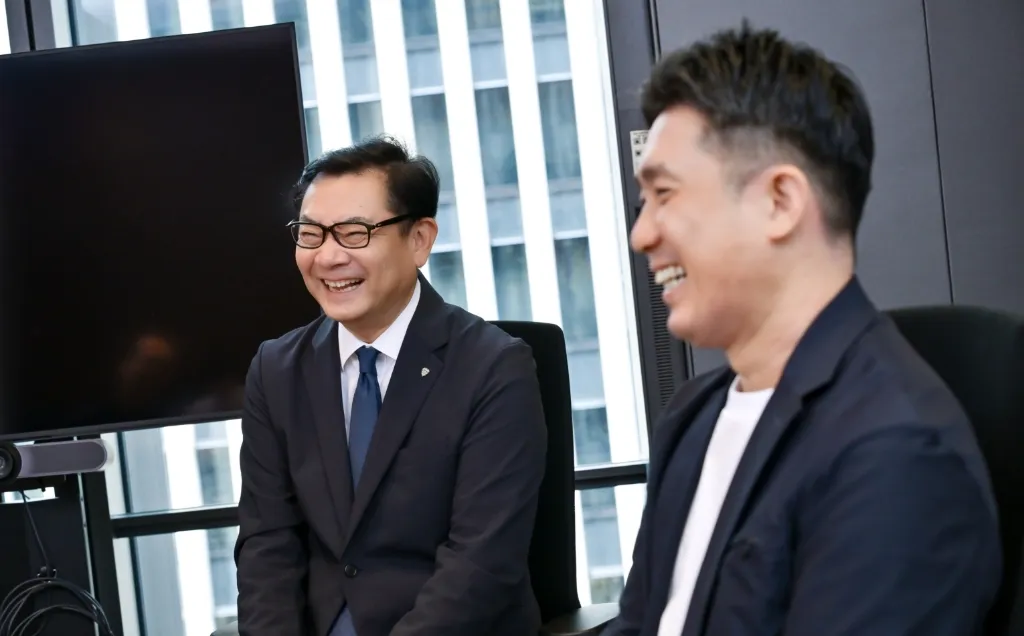
SMBC supported the design process by helping to structure the club’s intentions and internal discussions. Kawamori and Avispa Fukuoka Regional Innovation Strategy Dept. Head of Web3 Business Yoshikazu Kono coordinated across departments to drive the initiative. Collaboration between frontline staff and management enabled smooth decision-making and allowed the program to be realized quickly.
After launch, 50 of the 116 applicants for player selection enrolled in the program, steadily expanding opportunities for children to take on new challenges.
Building Sustainable Community Models and Impact KPIs to
Transform Japan’s Sports Industry
Looking ahead, the partners are considering a mechanism to return a portion of profits to supporters in the form of tokens if a supported player is promoted to the top team and later transfers to an overseas club. Kono highlighted the value of this long-term relationship:
“It takes around ten years for a junior high school player to become a global star. By using NFTs (non-fungible tokens), we can document that supporters backed a player over that long period and maintain the connection. We believe this ongoing relationship strengthens the continuity of the community itself.”
As a second phase of collaboration, the partners plan to foster sports-related industries through the use of sports data and, over time, to visualize the social impact of sports in order to attract new support and investment.
SMBC Group aims to use insights from this initiative to build a framework that can be applied to its own women’s basketball team, “SMBC TOKYO SOLUA,” and to other sports teams across Japan. SMBC Sustainability Development Dept. Head of Business Development Group Mototsugu Hoshino, shared his vision for this challenge:
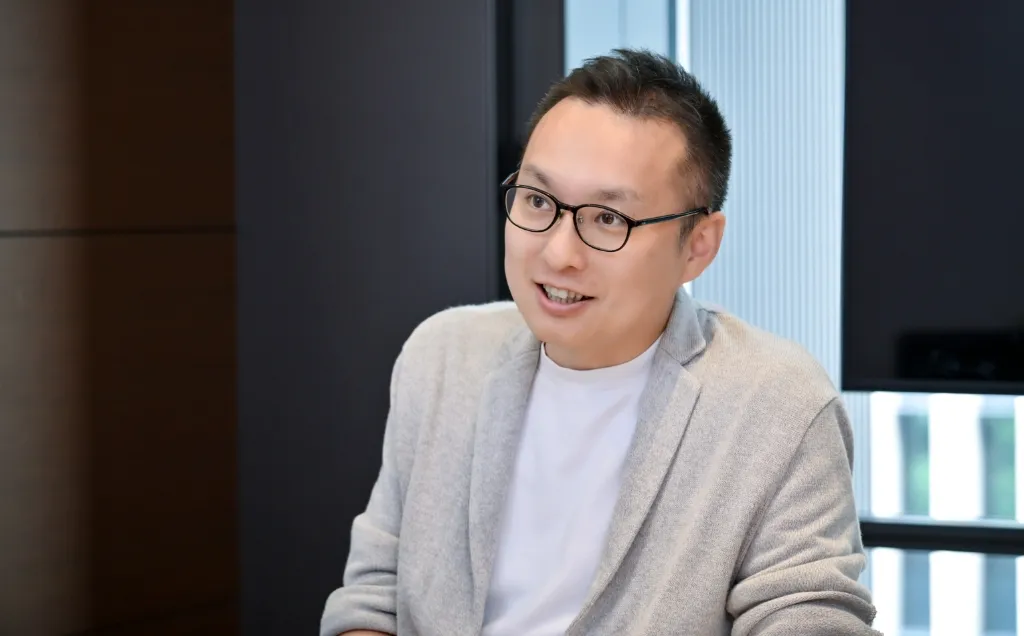
“While individual clubs in Japan’s sports sector are optimizing their operations, building a shared framework for the entire industry has long been a challenge. Through this initiative, we aim to establish a community model in which fans are involved in player development and share in the results, along with new impact KPIs that measure the social value of sports. By expanding this model to other sports and across Japan, we hope to transform the sports industry as a whole.”