

Following the Paris Agreement and the Japanese government’s carbon-neutrality pledge, the demand for corporate decarbonization management is rising rapidly. However, beyond Scope 1 (direct emissions) and Scope 2 (indirect emissions from energy use), companies are increasingly required to report Scope 3 (emissions across the entire supply chain), which many still find challenging.
In response, Sumitomo Mitsui Card Co., Ltd. (SMCC), Sumitomo Mitsui Banking Corp. (SMBC) and Visa Worldwide Japan Co., Ltd. (Visa) launched a service for companies nationwide in November 2023 that automatically calculates Scope 3 emissions for Category 6 (business travel) and Category 7 (employee commuting) using corporate card payment data. However, ongoing dialogue with clients made it clear that addressing Category 1 (emissions from purchased goods and services), which accounts for the majority of emissions and requires significant effort in data collection and analysis, is key to advancing decarbonization management.
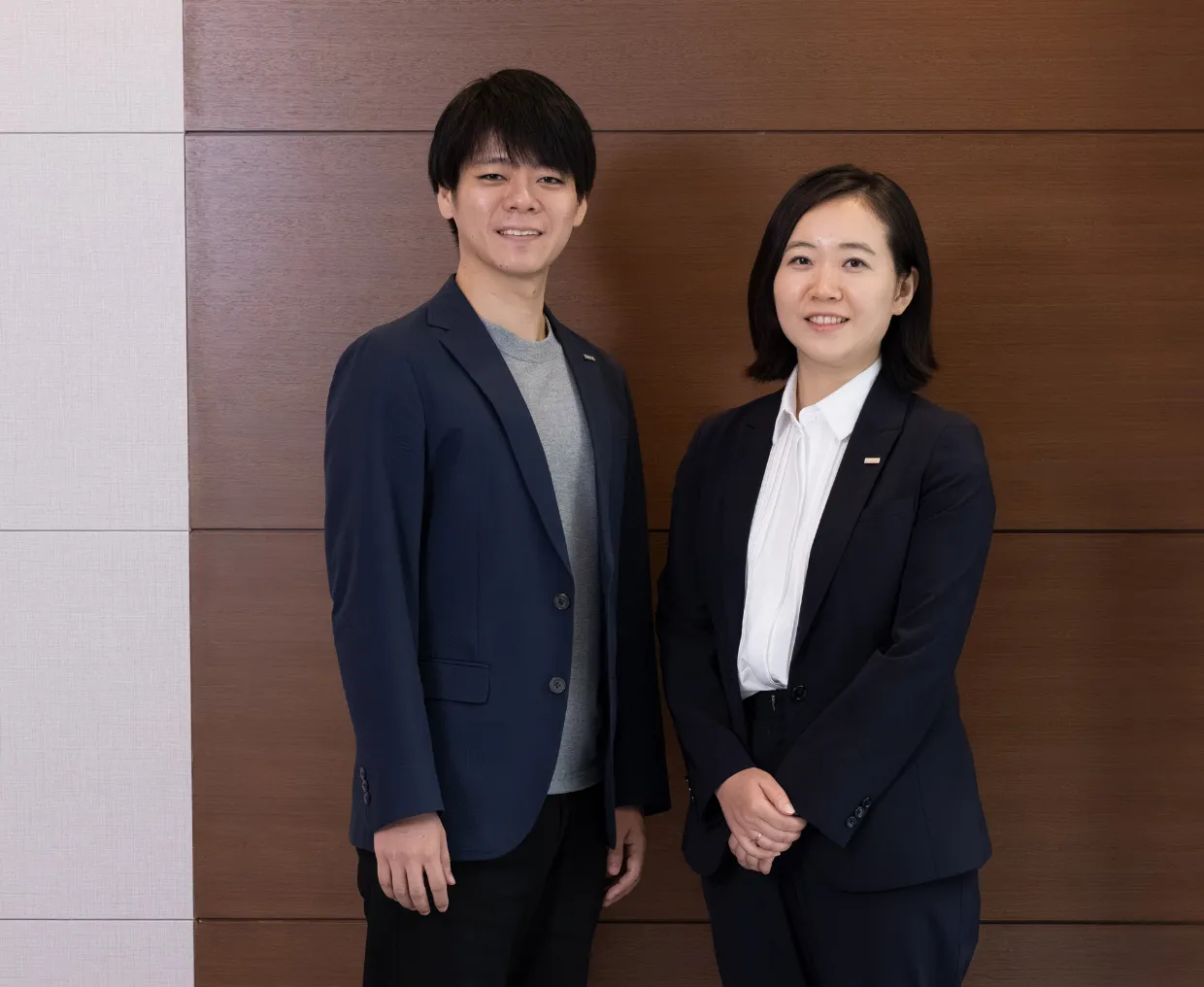
Chunying Yin of SMBC’s Sustainable Solution Dept., Corporate Strategy Dept., noted the difficulties she observed firsthand: “The effort required for data collection was so great that many companies gave up on calculating Category 1 emissions.”
Visualizing CO2
Emissions with a Simple
Corporate Card Payment
Genki Kondo of SMCC’s Business Marketing Development Dept., who promoted the development of the automatic Category 1 calculation function, focused on the potential to map “payment amount” and “merchant category” fields in payment data to the amount-based method outlined in the Ministry of the Environment’s guidelines.
This concept took shape through the collaboration among SMCC, SMBC and Visa. The three companies combined their strengths and began developing the Corporate Card Data CO2 Visualization Service, which estimates CO2 emissions simply from corporate card payments. Visa contributed its global payment infrastructure; SMCC contributed its client relations and product development capabilities; and SMBC provided post-calculation support for emission reductions and financial services.
Customer-First Over
World-First:
Deciding Never to
Compromise on Quality
The biggest dilemma the development team faced was a choice between being first in the world as quickly as possible and delivering a high-quality, practical, user-friendly product. Although the service was ready for an early launch, the team made the deliberate decision to take additional time to improve quality.
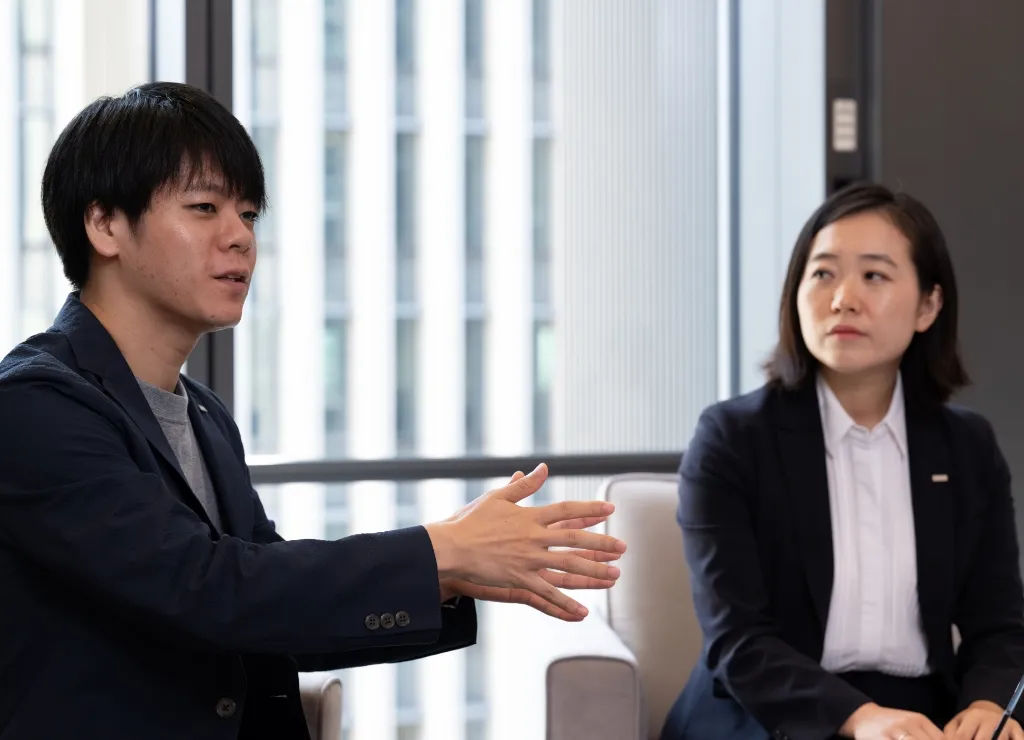
Despite concerns that another company might launch before them, the decision was grounded by thorough discussions on what constitutes true value for the customer. Kondo recalled: “After thoroughly examining ‘what constitutes true value for the customer,’ we concluded that long-term usability matters most. We therefore prioritized quality improvement, believing that providing a high-quality product as a world-first is how we deliver true value. This view ultimately became the team’s shared understanding.”
With “customer-first” as their motto, the team began the meticulous review of vast amounts of merchant data. For example, purely mechanical classification risked including data unrelated to CO2 emissions in the calculation. They had a painstaking task to identify and remove data that could confuse clients without over-filtering and missing the needs of specific companies.
This commitment to quality carried the risk of schedule slippage. However, the representatives from SMCC, SMBC and Visa held cross-company discussions and pooled their expertise to enhance the precision and speed of this work. As a result, in July 2024, they became the first in the world to launch a capability to calculate Scope 3 Category 1 emissions based on Visa corporate card payment data.
This service frees clients from the burden of data collection, allowing them to concentrate their resources on analysis and strategy for what matters most: reducing emissions. Furthermore, companies that previously viewed Scope 3 calculation as something outsourced to consultants can now take the first step as part of their daily operations.
In addition, this service has generated a virtuous cycle within SMBC Group. For SMCC, it opened new dialogues with departments they previously had less contact with, such as corporate planning and sustainability promotion, in addition to clients’ accounting and digital transformation (DX) departments. Consultations on how to advance decarbonization management are leading to new business opportunities, such as streamlining card management. Conversely, SMBC can deepen relationships by introducing this service to clients seeking to streamline their calculations. This collaboration, leveraging the Group’s collective strengths, is generating a new cycle of value creation by solving client challenges.
Beyond Visualization:
Envisioning a Future Where
CO2 Emissions Can Be
Reduced with a Simple Card
Payment
The launch of the Corporate Card Data CO2 Visualization Service is not the end goal but a starting point. For corporate decarbonization management, concrete actions toward emission reduction beyond visualization are essential. SMCC is already developing solutions that drive reductions.
The SMBC Group is also accelerating this movement. SMBC is strengthening its collaboration with Asuene Inc., a provider of a CO2 emissions calculation and visualization cloud service. By combining Asuene’s client data with SMBC’s financial and non-financial information, the Group is building a system to provide integrated support, including more precise emission-reduction proposals and financial assistance such as sustainable finance.
Reflecting on the project, Yin, who has been listening to client feedback on the front lines, shared the importance of presenting a compelling narrative.
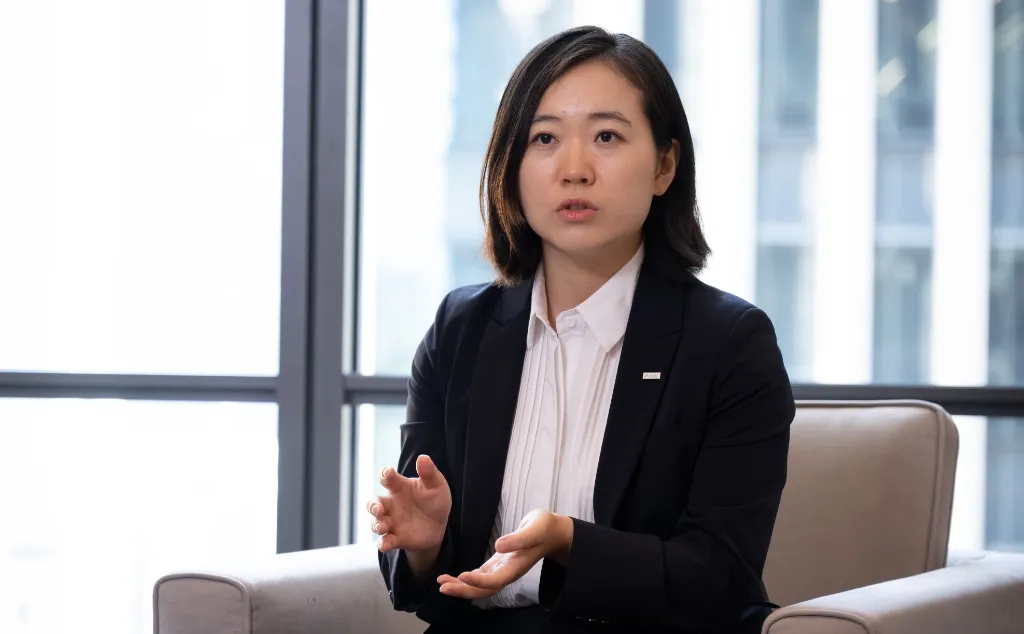
“Clients often ask, ‘Why, who, and how should we advance decarbonization?’ This time, by combining the strengths of our three companies, we were able to present a narrative in which anyone can easily begin their decarbonization management journey as part of daily operations through corporate card payments. A compelling story engages people and helps solve social issues.”
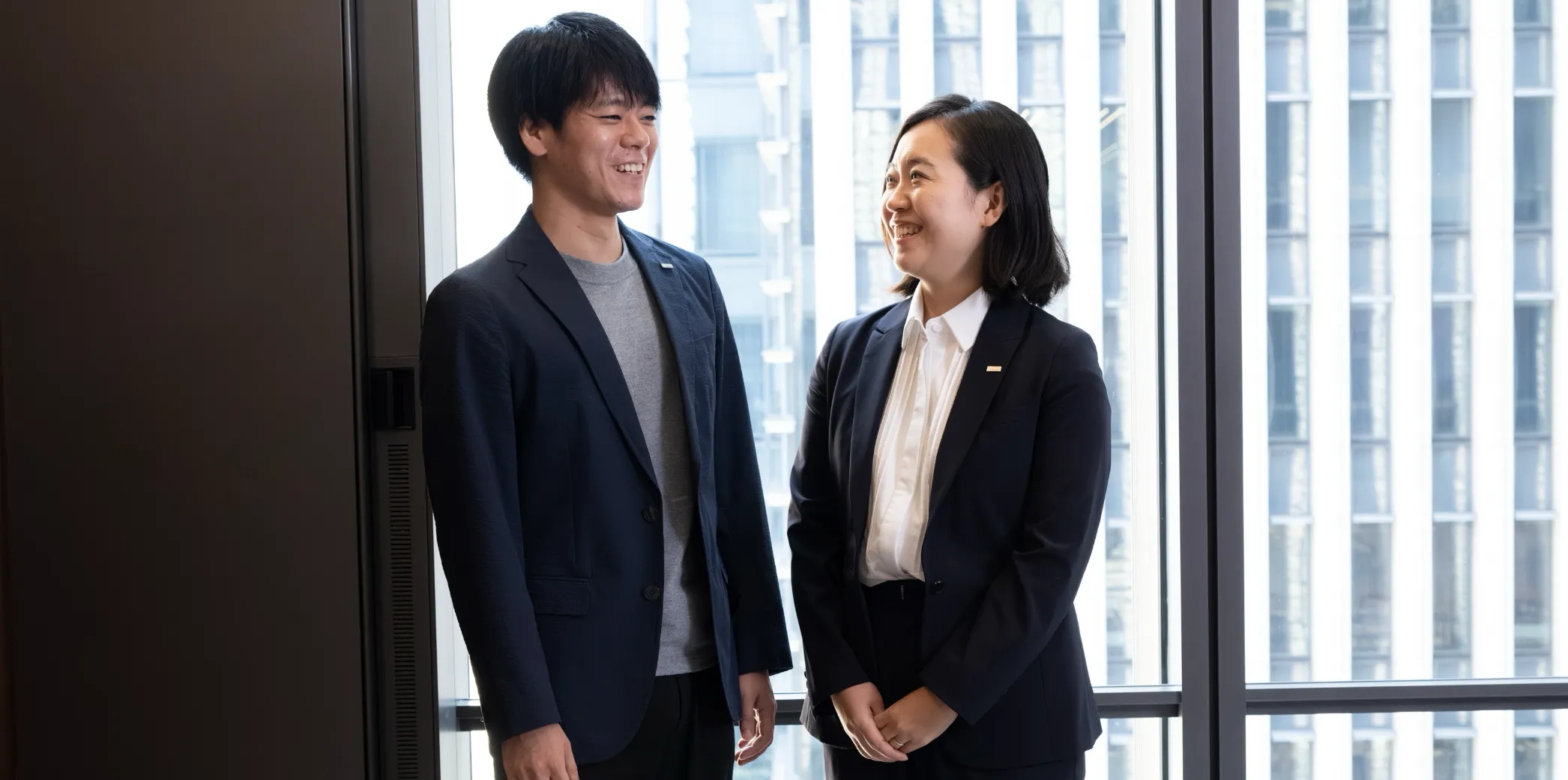
Finally, Kondo, who promoted this project with a desire to create new value by connecting finance and non-finance, concluded: “Social issues often involve many intertwined factors and can appear complex. But that is precisely why the solution must be simple, or it will not be possible to involve a wide range of people. When faced with a complex challenge, it is essential to distill its essence and pursue a simple mechanism in which everyone can participate. I believe this approach is crucial for creating social value.”
*A world-first in calculating Scope 3
Category 1 emissions based on Visa
corporate card payment data. Based on
research by Visa.