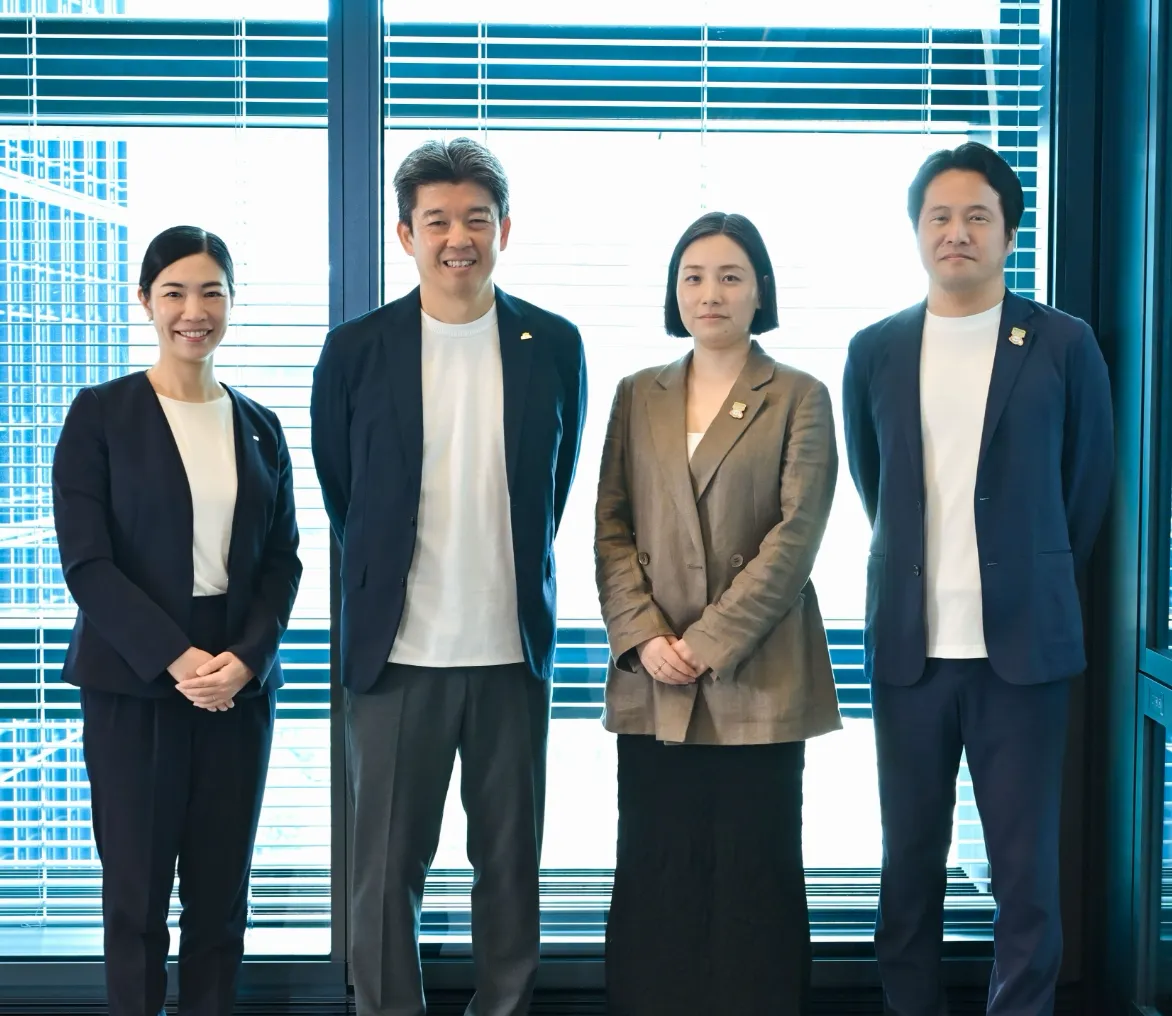




To achieve a decarbonized society, many companies are developing environmentally friendly products, yet their value is still not fully reaching consumers or driving purchases. Behind this is a structural dilemma: manufacturers want to promote environmental benefits, while retailers hesitate to stock higher-priced items that may not sell. This gap between supply and demand is hindering broader changes in consumer behavior.
To break this impasse, consumers must recognize the value of environmentally friendly products and feel motivated to buy them. An approach that directly engages the awareness and actions of each individual is essential.
Tsutomu Sasaki, Head of the Green Marketing Lab (GML) at The Japan Research Institute's Center for the Strategy of Emergence, has supported corporate decarbonization for 20 years and is acutely aware of this issue. “Unless consumers themselves choose to pay for the added value of environmental contribution, corporate initiatives will not be sustainable,
” he notes. Driven by this conviction, he established GML in 2023 to tackle the challenge from a consumer-centric perspective.
Project for Everyone to
Reduce CO2 (Genkotsu):
Fostering Lasting Behavior
Change by Connecting
"Learning" and "Purchasing"
Guided by the belief that “if consumers change, manufacturers and retailers will have no choice but to change,” GML is advancing Project for Everyone to Reduce CO2 (Genkotsu).
The most distinctive feature of this project is its end-to-end integration of “education” and “purchasing” related to decarbonization, which have often been disconnected. Working with local governments and schools, it provides children with learning opportunities through educational tools and lessons, then links that learning to in-store promotions at local retailers. This mechanism, which encourages lasting behavior change through the interplay of learning and practice, is unprecedented in Japan.
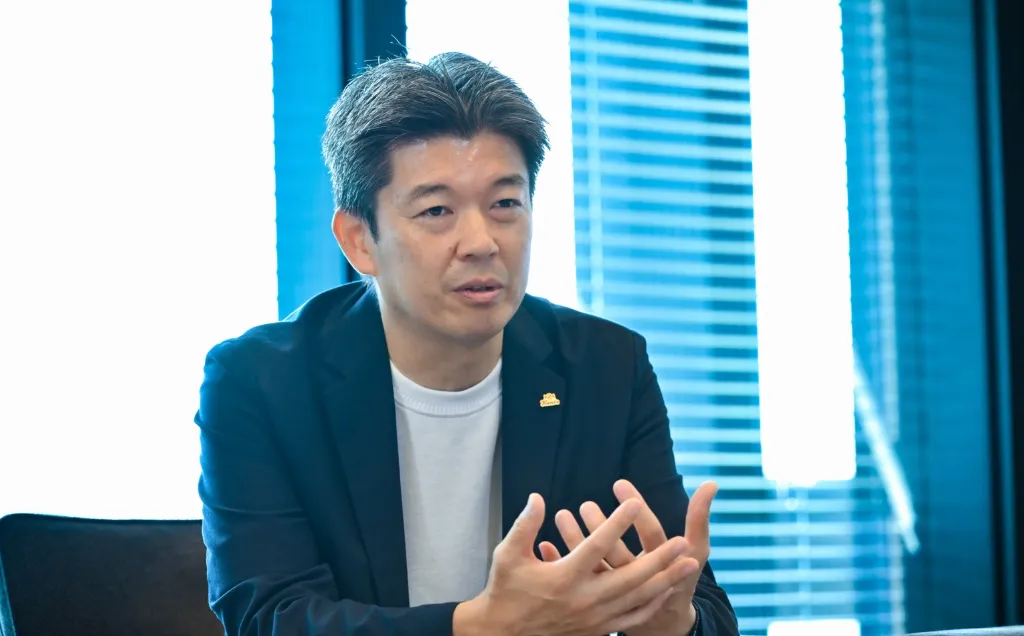
Sasaki emphasizes the importance of engaging consumers' hearts: “Environmental and energy initiatives tend to be driven by technical, supply-side discussions that overlook the consumer perspective. Logic and being correct alone do not change behavior. We must build in elements of ‘excitement’ and ‘joy’ that create engagement and empathy.
”
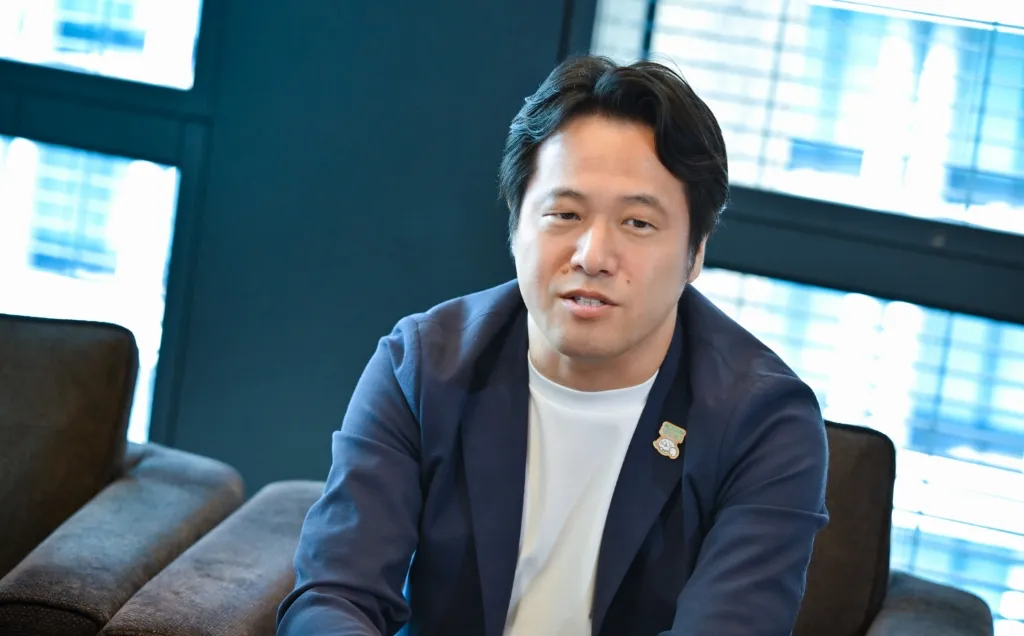
This initiative is supported by the Challenge Carbon Neutral Consortium (CCNC), established in September 2023, which brings together private-sector companies from diverse industries, including retail and manufacturing.General Manager Tooru Matsuba, Sustainability Dept. Corporate Planning Division, Kanro Inc., one of the participants, highlights the value of this collaboration:
“The uniqueness of this initiative lies in the participation of the retail industry. While manufacturers and government agencies often collaborate, a framework that unites all of these players is unparalleled. The momentum we felt in the Kansai region was also a major factor in our decision to join.
”
Specialist Mariko Fujiwara, Sustainability Strategy & Promotion Group, Meiji Holdings Co., Ltd., another participating company, notes that the framework is also transforming their organization. “This initiative involved departments we had never directly engaged with before, including those on the front lines of retail distribution. As a result, a sustainability-driven sales promotion was implemented in stores for the first time, giving employees a major opportunity to see sustainability as a personal matter.
”
Gaining Traction on Behavior
Change Through
Engaging Experiences
The team encountered several challenges. The first was how to make “decarbonization,” a topic that often struggles to attract interest, feel personally relevant. They created engaging activities such as an “eco-label scavenger hunt” that captivates children, introduced an original character named “Nya-tral,” and organized hands-on events for parents and children. These efforts were designed to deepen environmental awareness naturally through enjoyable experiences.
The second challenge was how to encourage sustainable, long-lasting behavior change without relying on financial incentives. The team designed a system that sparks dialogue between parents and children, starting from a child’s curiosity and leading to shifts in parents’ awareness and behavior. A prime example is the “eco-label scavenger hunt,” in which children search at home and in stores for eco-labels, the symbols of environmentally friendly products. Their discoveries prompt conversations with parents who may not have noticed the labels before.
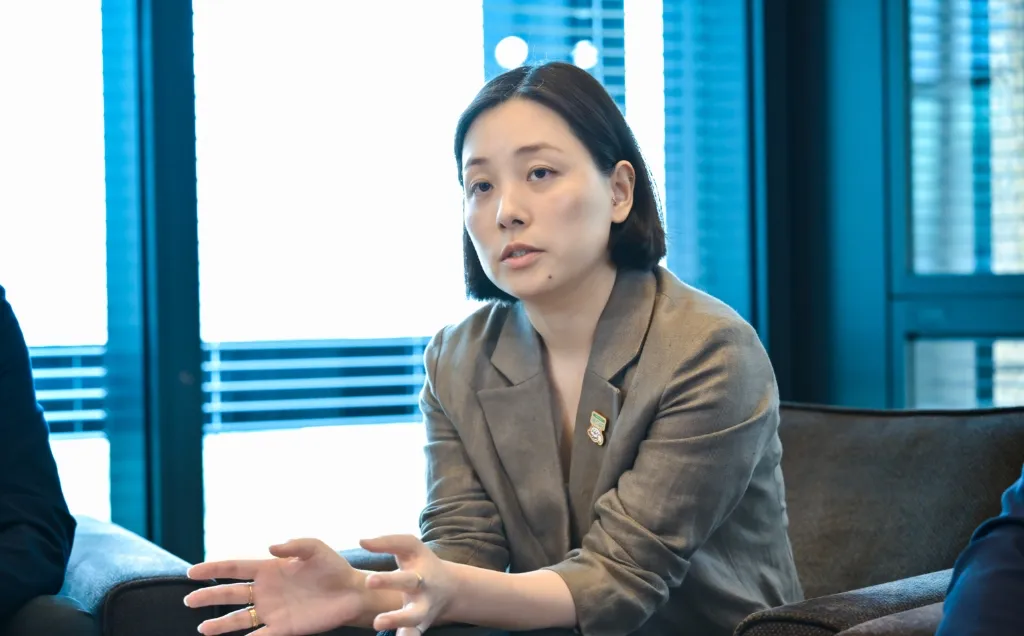
Incubation Producer Motoko Maeda, GML, shares, “Parents tell us, ‘My child’s comment made me notice eco-labels for the first time,’ or ‘If products I usually buy have these labels, I will choose them from now on.’ Seeing a child’s remark trigger a change in purchasing behavior is exactly the outcome we hoped to achieve.
”
The third challenge was how to convey the significance of an initiative that does not deliver short-term economic returns. To support company representatives who needed to explain the project’s value internally, the team visualized its impact by presenting both quantitative and qualitative feedback from consumers. They also created opportunities for these representatives to attend events in person and experience the energy on site.
These steady efforts are now producing tangible changes in awareness and behavior. A fiscal 2024 participant survey showed clear results: 68% reported an “increased positive impression of environmentally friendly products,” and 71% felt “more motivated to buy them.” On the behavioral side, the project is gaining solid traction, with confirmed increases in sales of some environmentally friendly products even without special discounts.
Toward a Virtuous Cycle for
All of Society Through a
Collective
Sense of Ownership
What began from scratch has grown into a large-scale initiative. In fiscal 2025, the project involves five local governments (the prefectures of Osaka, Hyogo, Nara, and Kyoto, and the city of Yokohama) and 15 private-sector companies, including manufacturers and retailers. The activities now primarily target 530,000 elementary school students and their parents.
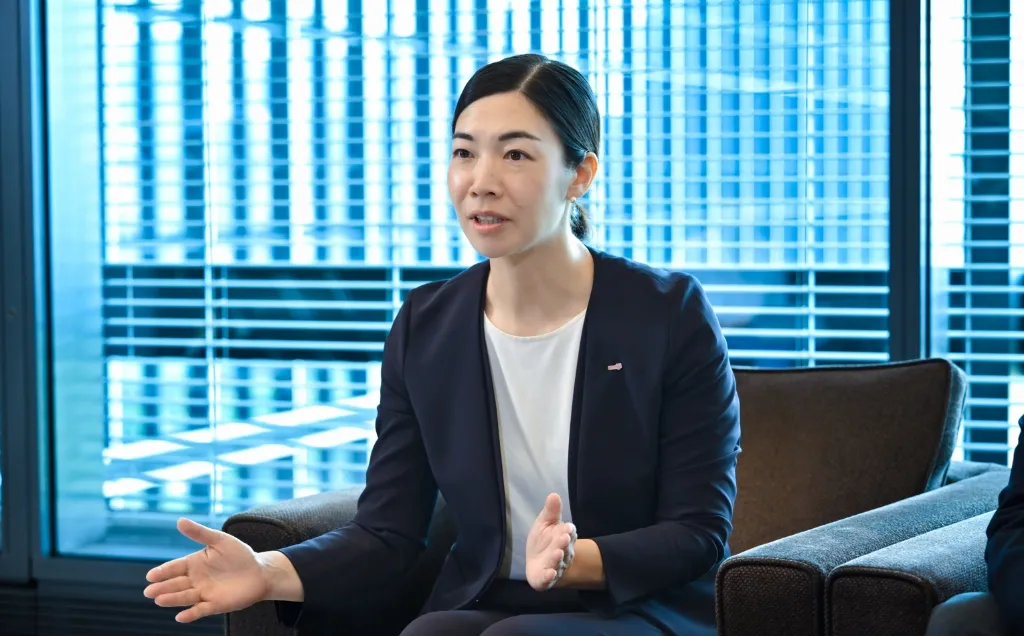
The project’s expansion is supported by its “power of collaboration.” Fujiwara comments, “Until now, collaborations were often confined to our own industry, but this initiative brings together companies from completely different sectors. This opens up the possibility of reaching consumers by transcending industry boundaries.
”
Sasaki envisions a future in which this circle of collaboration expands even further, creating an open framework where diverse participants, not just a few specific companies, take the lead in driving the initiative forward.
“Our ideal is for this project not to belong only to us,
” Sasaki says, “but for participating municipalities and companies to engage proactively from their respective positions and collaborate toward a common goal. We believe that the expansion of this collaborative circle, captured in the phrase ‘minna de’ (everyone together) in the project name, is the very force that will change society.
”