

In Japan, about 23,000 children live in foster care facilities instead of with their parents. Many go straight into work after leaving the facilities at age 18, yet about half leave their jobs within a short period because support to help them stay employed is limited. Those who early drop out of their first job are more likely to move into non-regular employment and often face financial hardship. Breaking this structural cycle of poverty requires specialized support both before and after they leave care.
Against this backdrop, a donor approached SMBC to“
support children whose futures are determined by family circumstances they cannot choose. [With his support he] wanted to give them a little hope”.
Responding to this, Taira David Schaefer of the Private Banking Planning Dept. at Sumitomo Mitsui Banking, which offers philanthropy advisory services, drew on SMBC Group's expertise to design a donor-advised fund that would turn the donor's vision into a concrete response to this social issue. This marked the start of efforts to make that vision a reality.
Establishing the SMBC Group
Foundation's First Fund to
Support Care-leavers Attain
Independence and
Self-sufficiency
In response to a donor's wish to “use a portion of the funds from the sale of my company to help underprivileged children,”
SMBC Group proposed creating a fund through the newly established SMBC Group Foundation. This led to , the Foundation's first fund, financed by this donation. The fund provides capital and a strategic framework that offers multifaceted support for the independence of children who are leaving / have left foster care.
Specifically, it offers multiyear funding to nonprofit organizations (NPOs) in four areas: “leaving care,” which helps children acquire life skills; “employment matching,” which matches the children to stable jobs suited to each child's characteristics and aspirations; “aftercare” which prevents isolation after leaving the facility; and “policy advocacy,” which aims to improve systems and policies. This structure allows NPOs to develop support programs with a long term perspective.
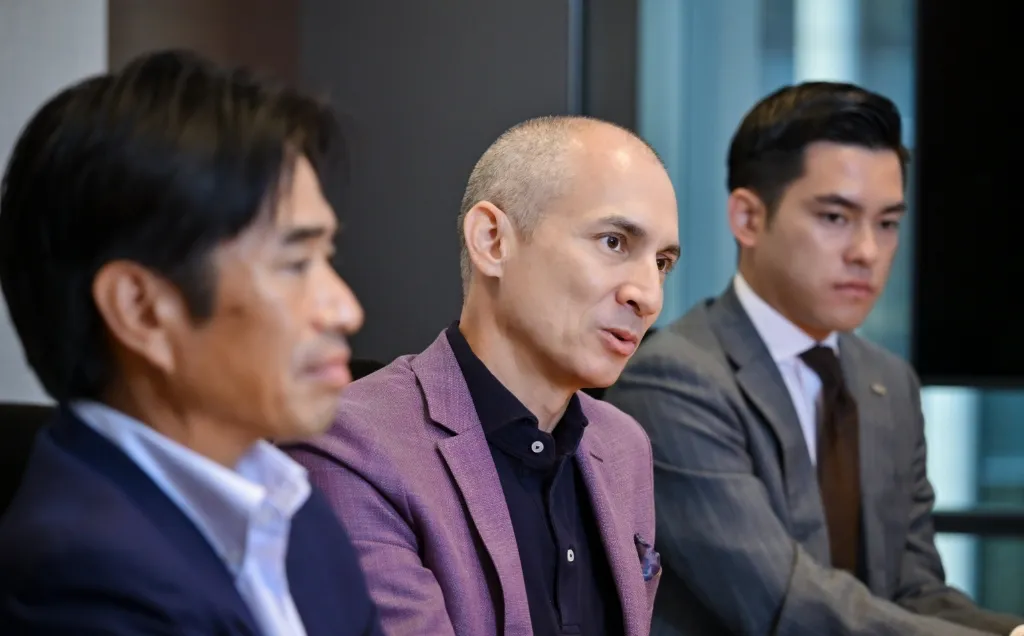
This initiative also goes beyond simply backing existing activities. Schaefer, who oversaw the overall project design, explains: “In some cases, it is not enough to provide funding just because an organization is doing great work. We focused on working together with the organizations we support to create better solutions.”
As a concrete approach, the project introduced a “collaborative model” among grant recipient organizations, a pioneering move for a grant-making foundation. Multiple NPOs with different specialties, such as life skills support and employment support, work together to assist children in the same region and from the same foster home. By leveraging each NPO's strengths and functioning as a single team, they can provide multifaceted support tailored to each child.
The goal is to create new solutions that go beyond extending existing activities and ultimately build a self-sustaining support system in which the local community, rather than NPOs, takes the lead in supporting these children.
A Cross-Divisional
Collaborative System to
Deliver the
Foundation's
First Project
To bring the SMBC Group Foundation's first project to fruition, Yoshiyuki Hosono of the Private Banking Planning Dept., who also works on the Foundation's operations, coordinated closely with the Cabinet Office, the supervising authority.
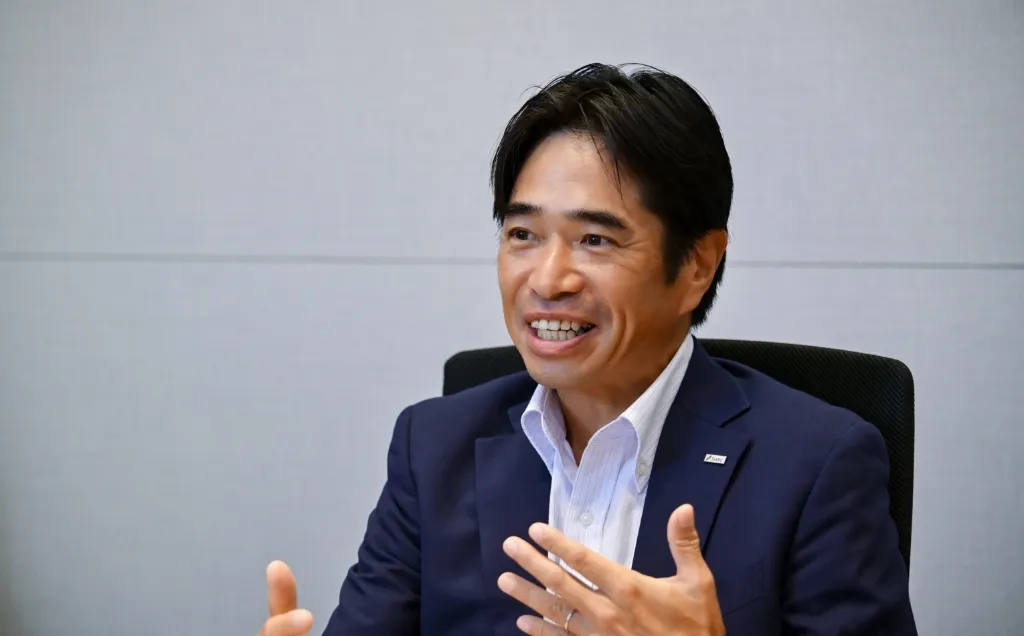
“From establishing the Foundation and obtaining public interest corporation status to setting up the fund, every step was work I handled for the first time. We repeatedly discussed matters with the Cabinet Office, revised our plans based on their advice, and moved to the next step. It was truly a process of overcoming one challenge at a time,”
he recalls.
Meticulous, cross-divisional collaboration grounded in the donor's vision was key to resolving these challenges.
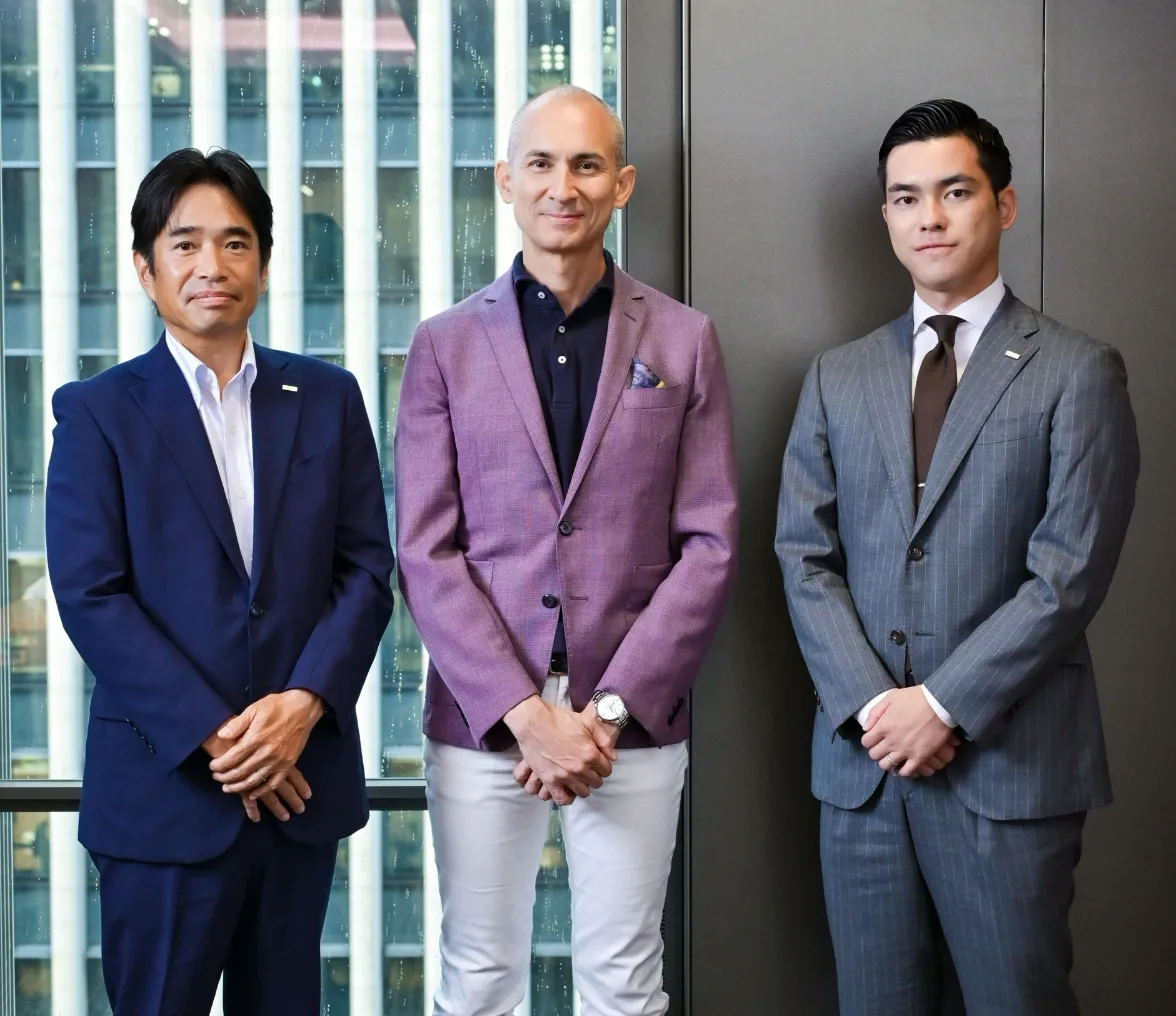
Schaefer, who led the project, has long been interested in this issue and has taken part in volunteer activities on his own. Through SMBC Group's pro bono projects, he has also planned initiatives for organizations that support children in care homes, building strong relationships and deep knowledge of support organizations. This expertise and network became a major driving force in giving concrete shape to the donor's vision.
During the project's conceptual phase, Schaefer responded to the donor's initial ideas by presenting data and the voices of NPOs working on the ground. Through careful dialogue, he explained the structure of the issue and its underlying needs, and together they explored more effective forms of support. The donor described this process: “The proposal reflected the first-hand opinions directly collected from staff at foster homes and support organizations. It was backed by data and was extremely persuasive.”
Although there was a change in personnel during the project, the successor, Kotaro Takanushi of the Private Wealth Dept., supported the progress by serving as the client’s main contact, prioritizing the reduction of the donor's burden, and ensuring smooth coordination with headquarters. The project was realized through the collaboration of these three individuals, each leveraging their expertise: Schaefer leading the planning, Takanushi serving as the client contact, and Hosono handling the Foundation's practical operations.
Aiming for a Society Where
Purpose-Driven Capital
Circulates
by Building
a Support Ecosystem
The Youth Resilience Fund will launch as a pilot in Tokyo and the three neighboring prefectures of Kanagawa, Chiba and Saitama. Beginning in the next fiscal year, it will expand to the Kansai and Chubu regions, with the long-term goal of reaching children in approximately 600 foster care homes nationwide. The fund is not limited to a single donor but has an open structure that accepts contributions from other like-minded donors. This reflects Schaefer's vision of creating a new flow of funds in which purpose-driven capital is directed toward solving social issues and supported by a robust ecosystem.
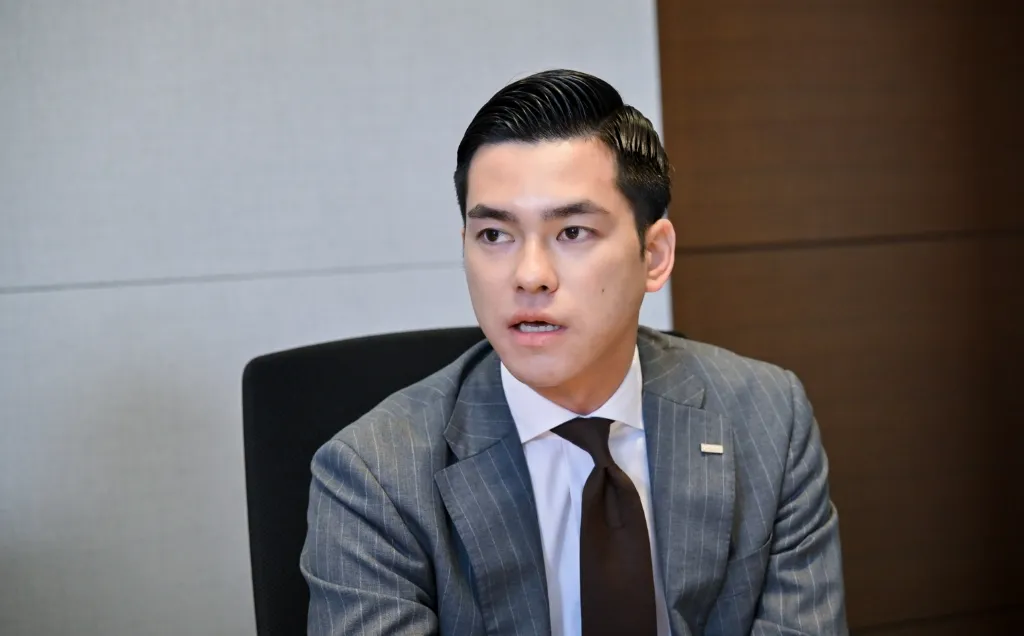
The success of this first project is also significant for SMBC Group. Takanushi notes the leverage effect: “It has enabled us to make more compelling proposals to our corporate owner clients who have philanthropic needs.”
From the Foundation's perspective, Hosono is also enthusiastic: “I want to develop this project into a model fund that will inspire other donors to join,”
he says.
This initiative not only supports children's independence but also serves as a model that shows a new role for finance in solving social issues. The donor who established this fund shared his hopes for the future expansion of this circle of support: “I hope my action serves as a catalyst that encourages others who share this vision to join and that the fund will grow larger in the future. I expect that with this collective power we will be able to address an even wider range of diverse issues.”