

Japan’s shrinking workforce and aging population make it imperative to maintain and raise productivity. As a result, human capital is now central to corporate growth, and, from fiscal years ending on or after March 2023, human capital disclosure has become mandatory. Many companies have begun management reforms, but investment still skews toward reskilling and other training, while initiatives to manage employees’ mental and physical well-being lag. Because it is difficult to quantify how better employee condition affects performance, it remains hard to win management buy-in for such investment.
To tackle this issue, Sumitomo Mitsui Banking Corp. (SMBC) is applying insights from Euphoria Co., Ltd. (Euphoria)’s support for top athletes to visualize the link between employee condition and corporate performance. Through its partnership with Euphoria, SMBC has launched an initiative that uses this approach in practice to advance human capital management.
Applying Insights from Athlete Support to Visualize
the Link Between Condition and Productivity
In December 2024, SMBC formed a business alliance with Euphoria Co., Ltd., a sports technology company that provides ONE TAP SPORTS, a condition management system used by many athletes. At the heart of this partnership is ONE TAP SPORTS for Biz, which applies Euphoria’s expertise to managing and improving employee condition.
The service is aimed mainly at labor-intensive industries such as construction and logistics, which face acute labor shortages amid Japan’s declining birth rate and aging population. Because the physical condition of front-line workers is directly linked to productivity, they have much in common with athletes. Euphoria therefore positions them as industrial athletes and helps them improve their performance.
The service’s defining feature is its ability to visualize employee condition and link it to management indicators. Using daily data such as sleep and fatigue levels collected through an app and wearable devices, it quantifies productivity losses from poor condition in monetary terms, applying the World Health Organization’s concept of presenteeism. This produces objective data that show how employee condition affects business performance. Euphoria Founder and Co-CEO Makoto Miyata explains:
“The key is not just visualizing data, but creating an effective cycle by proposing and implementing concrete improvement measures based on the knowledge we have gained through supporting athletes.”
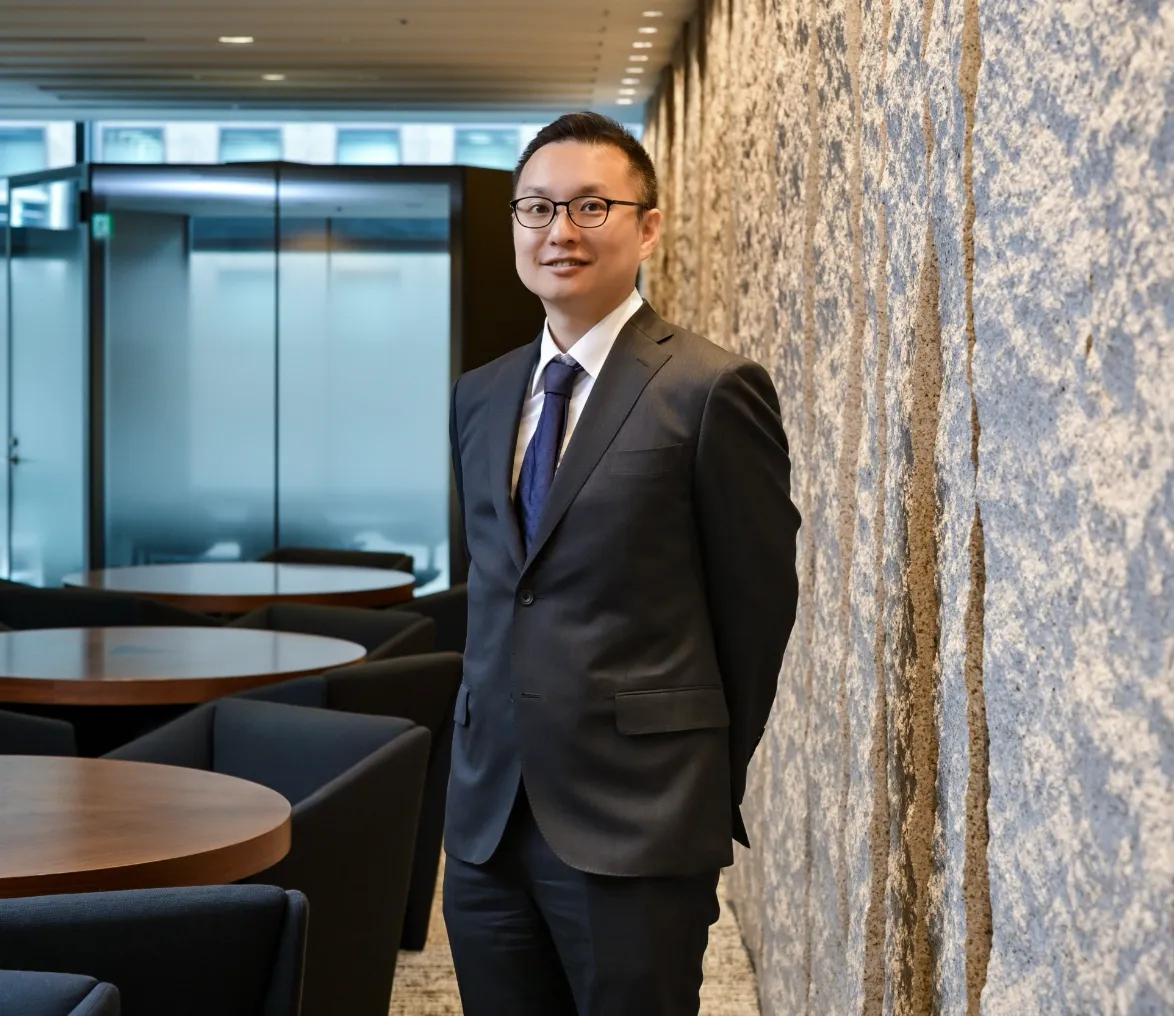
Sustainability Development Dept. Head of Business Development Group Mototsugu Hoshino, who led the initiative, saw great potential in linking this mechanism with finance.
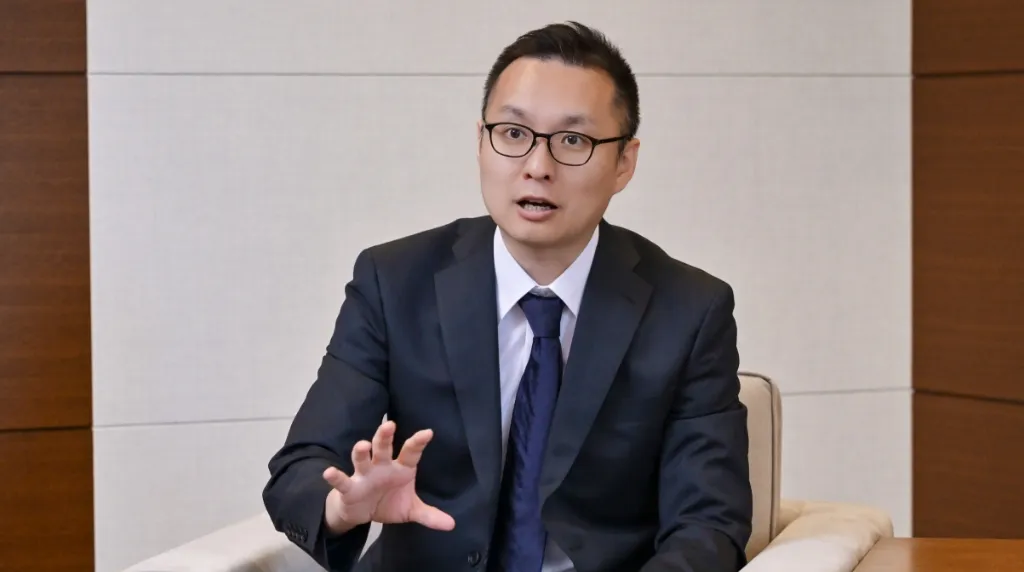
“By visualizing with data how condition affects productivity and linking that to improvement, we can establish new KPIs to measure the effectiveness of a company’s human capital investments. Once we set KPIs, we can connect them to the world of finance. We believed this would greatly broaden the scope of this initiative.”
Building Consensus and Deepening the Partnership
Through Demonstration and Dialogue
There were several challenges to overcome in realizing this vision. One of the most important was building consensus within the bank, especially among senior management. The idea that employee condition is linked to corporate performance was not immediately viewed as important in a decision-making environment that had long focused on financial metrics.
To address this, the team led by Hoshino took a two-pronged approach. The first was to provide explanations grounded in objective data and real-world case studies. In addition to Euphoria’s track record of supporting top athletes, they presented a demonstration project with construction company Okumura Corp., showing that preventing heatstroke on construction sites could help avoid project delays that might cause losses of tens of millions of yen.
The second approach was to provide an opportunity to experience the service firsthand. Euphoria’s sleep improvement program was introduced to about 30 participants at SMBC, including executives and general managers of branches and departments. By having their own sleep patterns visualized and receiving personalized advice from experts, participants deepened their understanding of the importance of condition management.
Sharing a common vision with its partner, Euphoria, was also essential to advancing these efforts. Miyata recalls his dialogue with Hoshino:
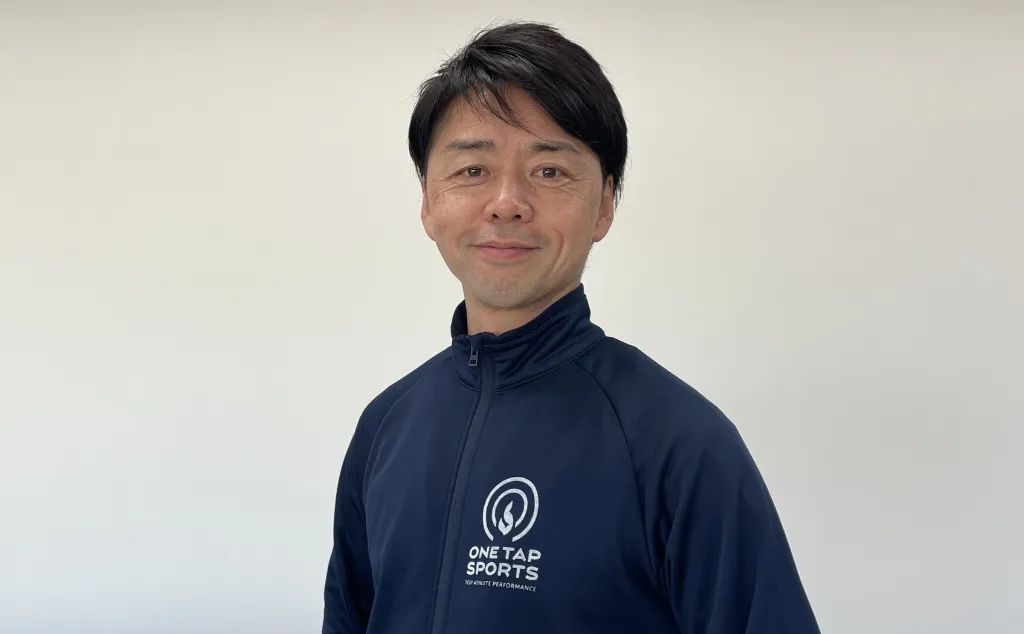
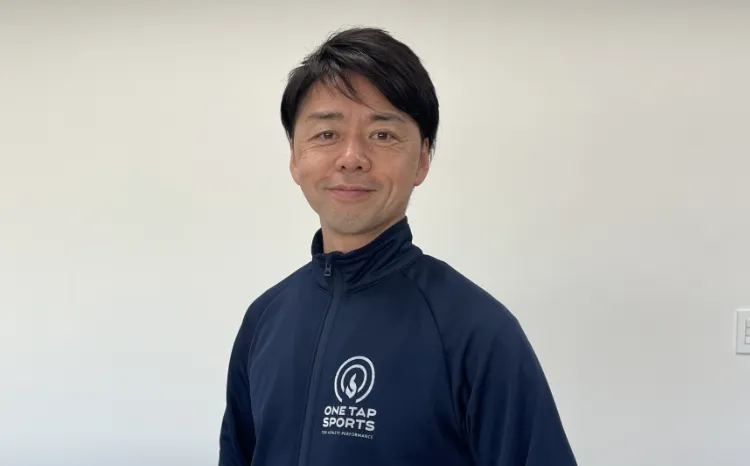
“From the beginning of our discussions about the partnership, Hoshino spoke about his desire to achieve something that would have a meaningful impact on society and lead to Creating Social Value. I also resonated with his stance of combining the power of finance to tackle challenges in a way that makes the effects visible.”
Driving Behavioral Change Through Financial and
Non-financial Means: Toward a Society Where Managing
Employee Condition is an Investment
The immediate goal of this initiative is to expand adoption of ONE TAP SPORTS for Biz and develop leading case studies that show the effectiveness of human capital investment. Looking ahead, the aim is to drive behavioral change at companies through financial mechanisms. One measure is the development and provision of Sustainability-Linked Loan that use employee condition as a corporate KPI. Already common in the decarbonization field, this structure links loan interest rates to how far companies achieve the KPIs they set. The goal is to apply this mechanism to human capital and build a system that gives incentives when companies reach targets such as improving employee sleep scores or reducing presenteeism-related losses from back pain.
There are also plans to use the data from this initiative to support customers in their human capital disclosures. By supporting companies from both financial and non-financial perspectives, the initiative aims to motivate them to invest in health and help realize a sustainable society. Miyata speaks of the social significance of this work:
“The people who support our social infrastructure are those on the front lines, whom we call industrial athletes. They will remain an essential workforce that is difficult to replace, even as AI advances. That is why we must build a system to support them before labor shortages become even more severe. I approach this initiative with a sense of crisis and responsibility, believing that our ability to expand it will affect the future of Japanese society.”
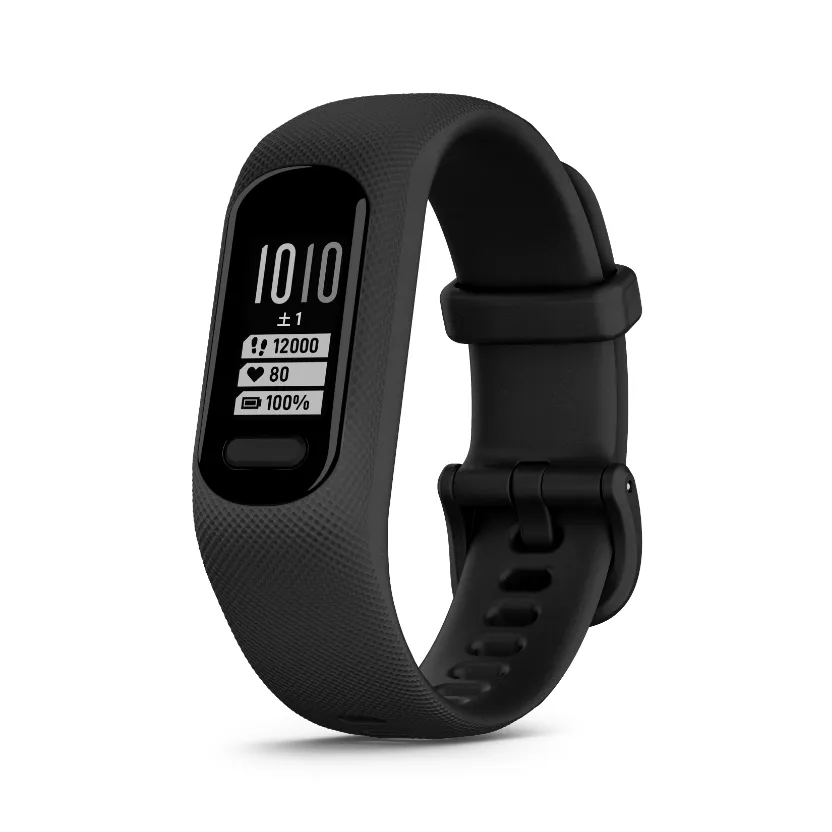
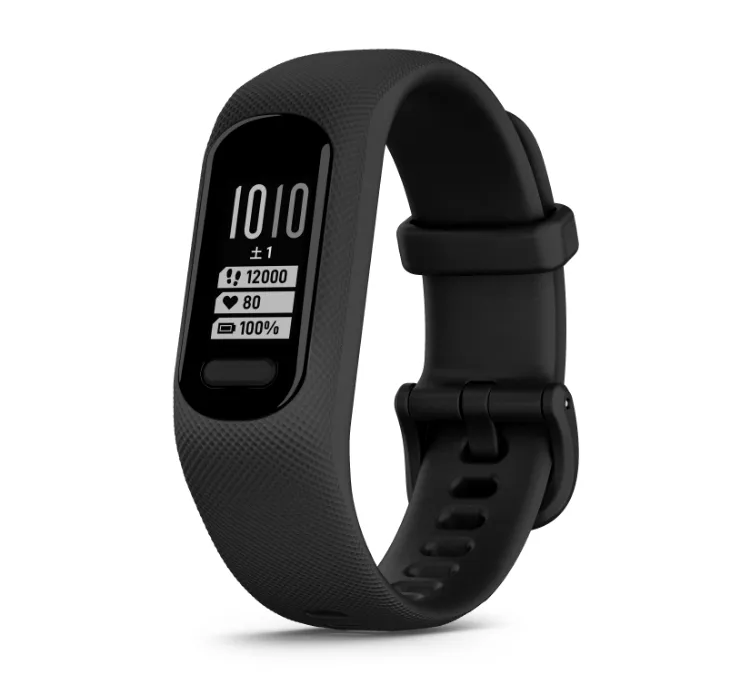
Example of a wearable device
Hoshino, for his part, aims to change the conventions of management through this initiative. He envisions a future in which the vitality of each employee supports corporate growth and, in turn, helps improve Japan’s productivity in an aging society with a declining birth rate.
“Through this initiative, if we can move beyond mere words and have employees truly be seen as capital, then maintaining and improving their condition will become an investment. That is the kind of world we want to help create.”