

Japan’s international competitiveness in drug discovery has been declining. According to a survey by the Office of Pharmaceutical Industry Research, Japan fell from the world’s second-ranked country for new drug creation in 2008 to sixth in 2022. Behind this trend is a structural problem: basic research conducted in the early stages of drug development often fails to reach commercialization. Globally, drug discovery startups typically take university basic research and turn it into businesses, but in Japan there is a gap between universities seeking support in the early research stages and pharmaceutical companies that prefer to partner in the later stages.
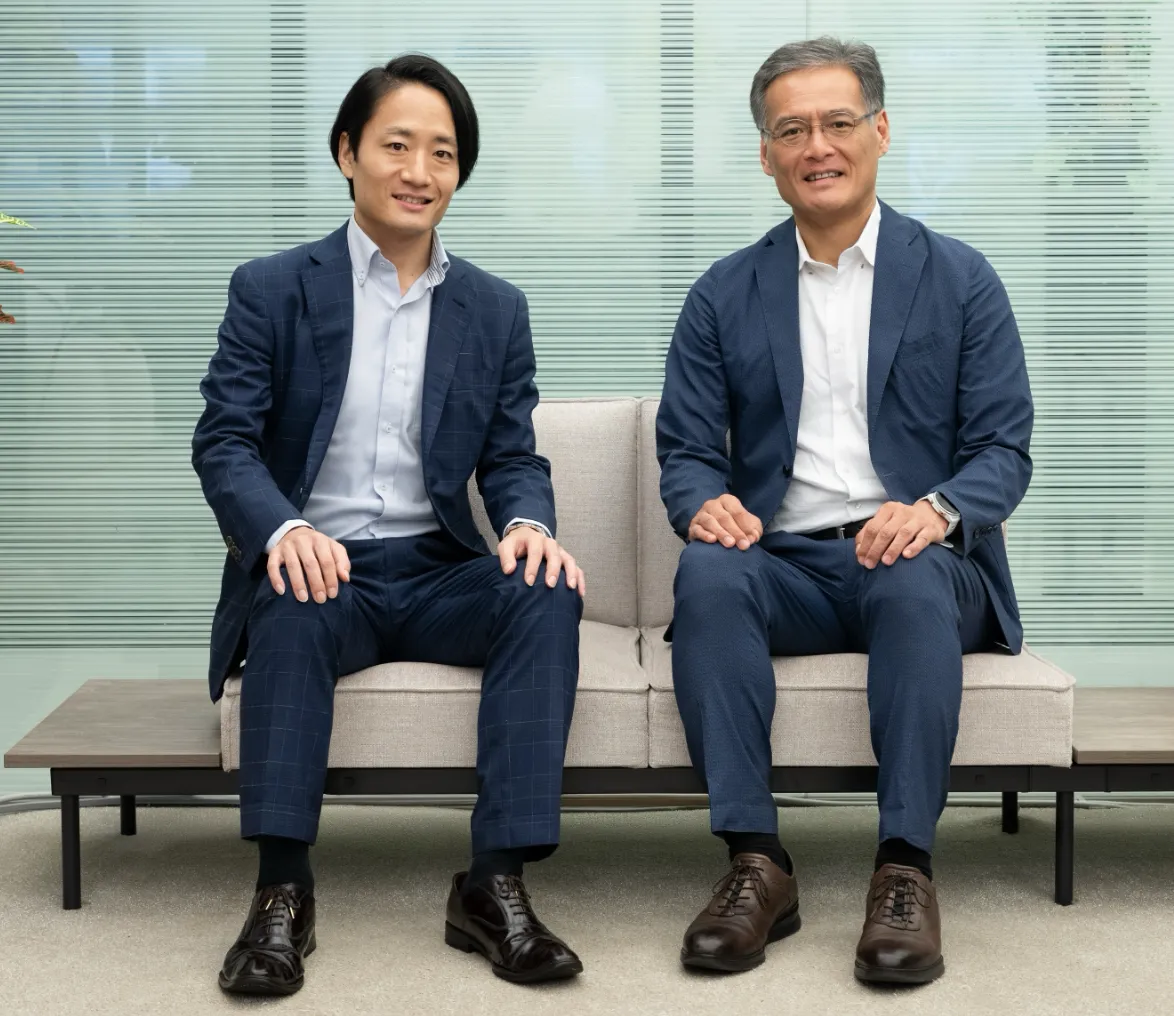
This challenge has long been a focus for Tomohide Sampei from the Corporate Advisory Dept. at Sumitomo Mitsui Banking Corp (SMBC). Drawing on his experience in cancer research as a student and his subsequent role covering the healthcare sector at the bank, he strongly felt the need for a new mechanism to bridge this gap. The initiative began when Representative Director and Founder CEO Toshio Fujimoto, Ciconia Bioventures Inc., who is committed to resolving issues in Japan’s drug discovery ecosystem, approached Sampei with the idea of establishing a joint venture dedicated to drug discovery incubation to support startups in their earliest stages. That proposal set this initiative in motion.
A Drug Discovery Incubation Alliance of Three Major Companies
Connecting Outstanding Basic Research to Commercialization
To address the challenges facing Japan’s drug discovery ecosystem, Takeda Pharmaceutical Company Limited, Astellas Pharma Inc. and SMBC jointly established Ciconia Bioventures Inc. (Ciconia), a joint venture that serves as a drug discovery incubator. Fujimoto, who led this vision, emphasized the significance of the project:
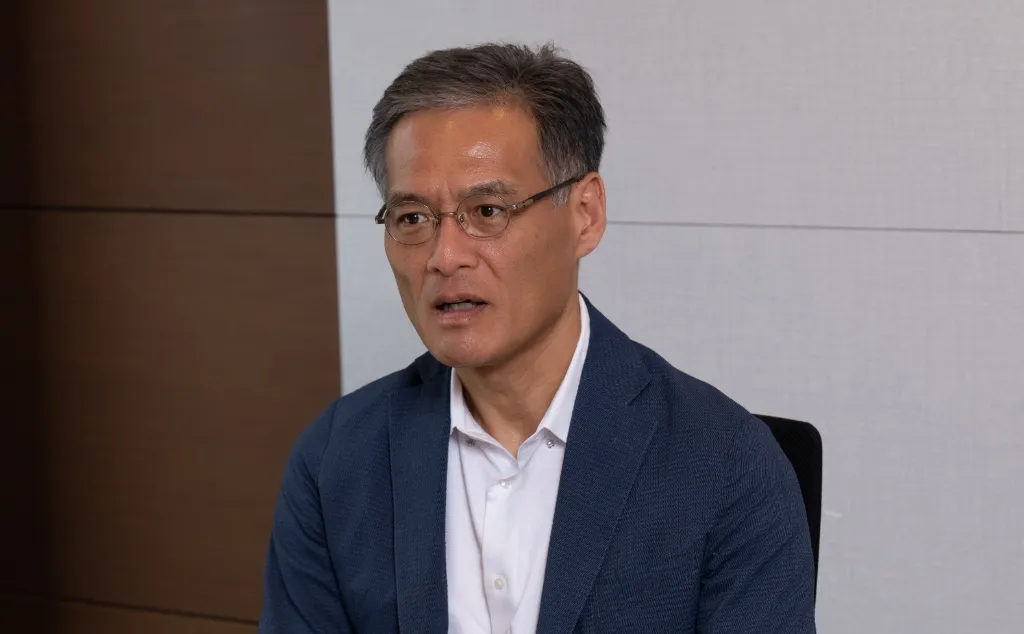
“The key feature of this project is that participating companies are not seeking short-term profits or ownership of the seeds, meaning the basic research results that initiate new drug development. Their real aim is to gain knowledge beyond their own specialties through this initiative and broaden their knowledge base for future business expansion. I am convinced that this long-term perspective will drive the growth of the entire ecosystem.”
Ciconia’s mission is to identify promising drug discovery seeds whose development has stalled, for example due to strategic shifts at universities or companies, and support them to a stage where major pharmaceutical companies and venture capital firms can seriously consider investment. Beyond funding, Takeda Pharmaceutical Company Limited and Astellas Pharma Inc., both global players, jointly provide world-class expertise and commercialization know-how without prioritizing any single corporate interest. This allows professional evaluation from the basic research stage, raises the probability of success, and supports business growth. On SMBC’s role, Fujimoto noted, “In addition to funding, SMBC plays a crucial part by offering a broad network and strengthening governance.”
By combining these strengths, Ciconia is building the incubation capabilities lacking in Japan’s drug discovery ecosystem.
Building a Collaborative Framework to Develop the Drug
Discovery Ecosystem and Reaching Consensus on an
Unprecedented Joint Venture
Realizing this first-of-its-kind business model in Japan required overcoming two major challenges. The first was building the collaborative framework at the core of the vision. Although Fujimoto, then at Takeda Pharmaceutical Company Limited, secured early support there, the project required collaboration among multiple companies. He held discussions with more than 10 firms, but their business strategies did not align, and no agreement was reached. Astellas Pharma Inc., which shared concerns about Japan’s drug discovery future, then decided to join. This created Japan’s first framework in which two major pharmaceutical companies with global knowledge and networks collaborate with a financial institution, establishing a cross-industry promotion structure to rebuild the drug discovery ecosystem.
The second major challenge was reaching consensus within SMBC. Consideration began early in the conception phase, but for the Corporate Advisory Dept. this was an unprecedented joint venture and investment case. At the same time, it was necessary to carefully assess the business viability of pharmaceutical development, a highly specialized field with significant uncertainty. Sampei, who coordinated internal discussions, recalled the situation:
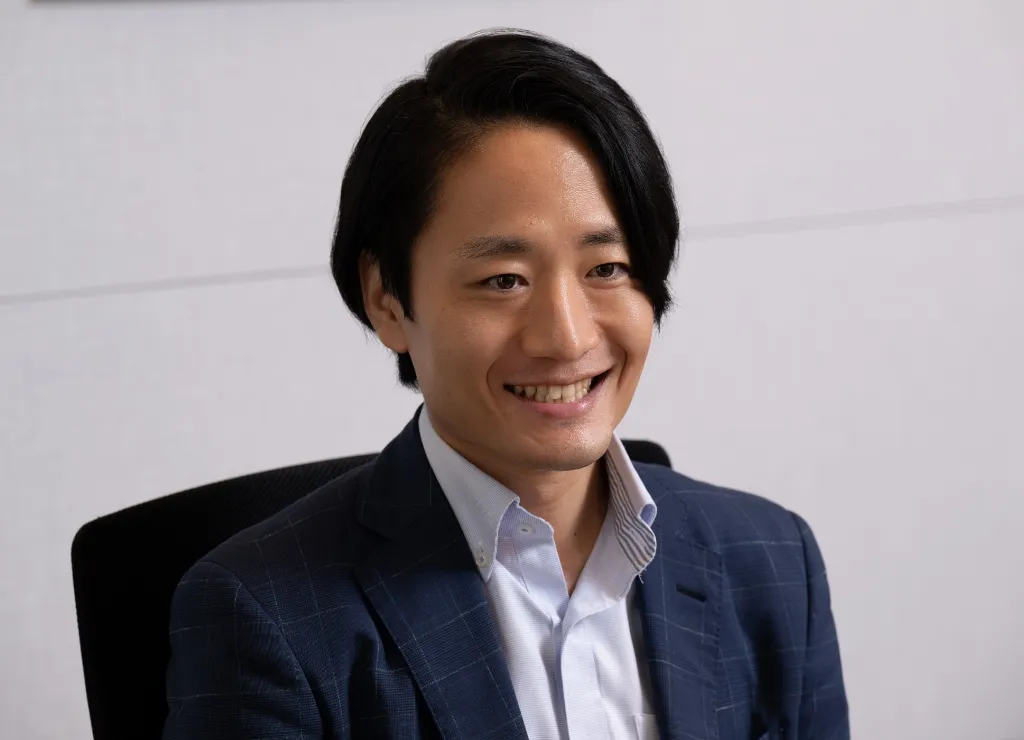
“While everyone recognized its social significance, the high specialization of drug development made it difficult to fully grasp the details of the business. It is a field full of technical terms and tends to be seen as a black box. By presenting concrete statistical success rates for each development phase and clearly explaining the balance between risk and return in Ciconia’s business model, I worked to deepen understanding of the soundness of the business.”
In addition to Sampei’s detailed explanations, support from executives who recognized the importance of the project strongly pushed internal discussions forward. Once the relevant departments were convinced and approval was granted, the project attracted considerable attention immediately after its establishment. Recently, venture capital firms have approached Ciconia about jointly nurturing early-stage seeds that are difficult for them to handle on their own, and the initiative has been selected by the government as a “Development Support Program for Pharmaceutical Ecosystem,” reflecting the high expectations for its activities.
Delivering Japan-Origin Drug Discovery Seeds to the World
and Creating Startups Competitive in the Global Market
Ciconia is intensifying efforts to commercialize promising seeds, with a concrete goal of establishing its first new company between the end of fiscal 2026 and early 2027 as part of its incubation business. Looking ahead, it envisions a model in which research and development bases remain in Japan, while clinical development and business development are conducted in the United States. By involving leading U.S. venture capital firms and other key players, Ciconia aims to create startups that can compete in the global market.
In parallel, SMBC Group is also considering new roles as a financial institution. The Group plans to link this effort with its recent initiatives to support universities, aiming to make this project a hub in the drug discovery field. Expressing his determination to deepen collaboration, Sampei stated, “We will design and provide new support measures, not bound by existing financial services, tailored to the growth stages of the startups created by Ciconia.”
Fujimoto also highlighted the importance of so-called gap funds that bridge the period until startups nurtured by Ciconia reach their next fundraising round, expressing hope for further collaboration with financial institutions.
Looking back on this initiative, in which he took on the unprecedented challenge of solving a social issue from the standpoint of a banker, Sampei shared the philosophy that underpins his approach:
“If you start from the question ‘What can the bank do?’, your thinking inevitably remains constrained by existing frameworks. I believe it is crucial to begin with the question ‘What should be done for society?’, then design a long-term plan that balances that social significance with business viability. After that, you need to carefully explain the value of that vision to stakeholders and patiently earn their understanding and cooperation.”