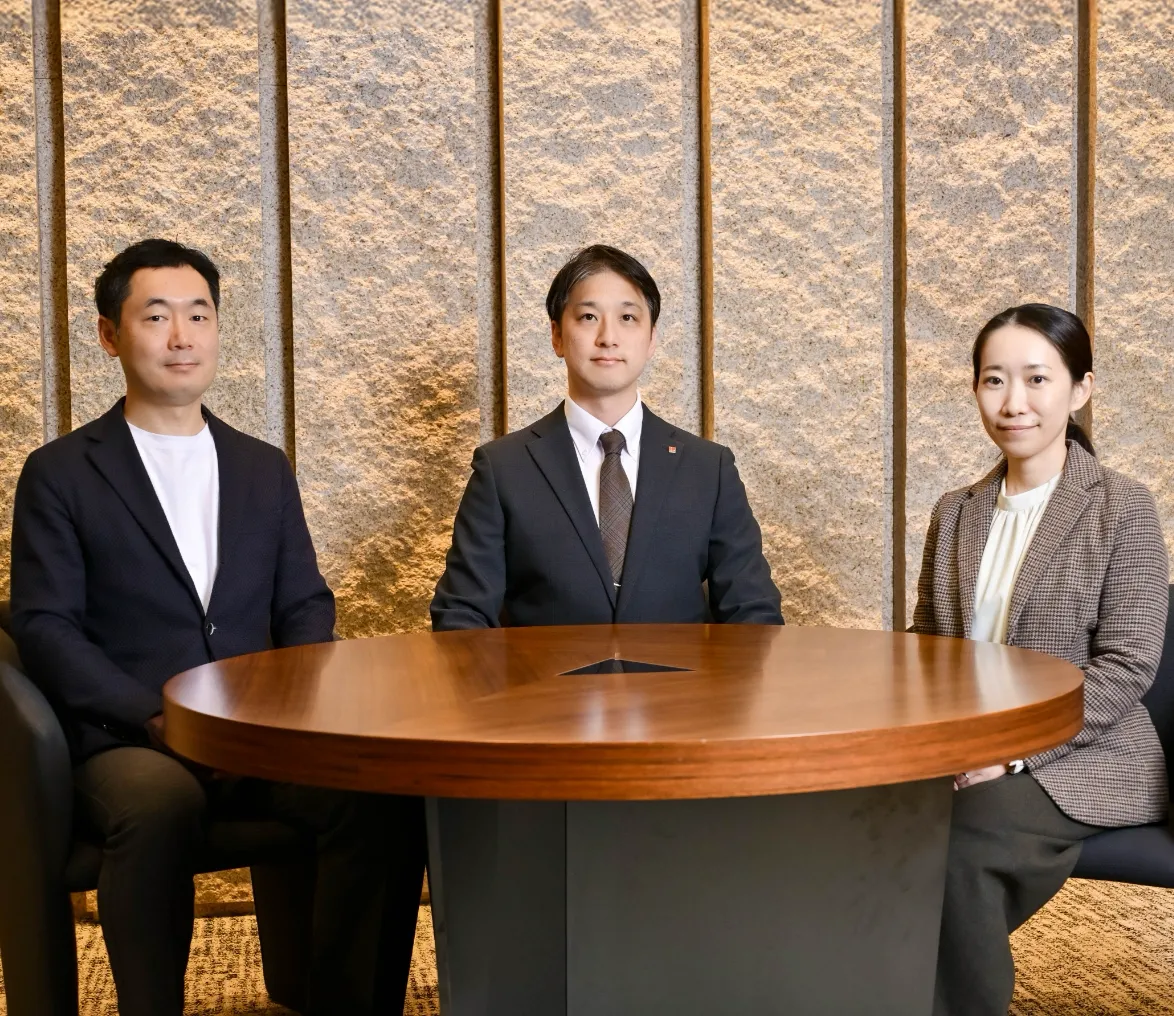
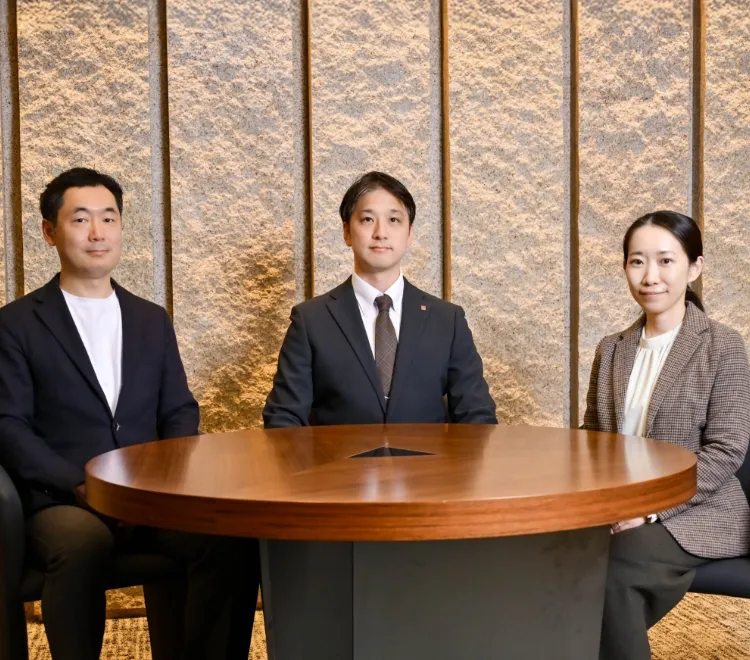



As environmental, economic, and social issues become increasingly complex, expectations are rising for new technologies and theories from academia. Yet Japan’s Academic Research environment is becoming increasingly difficult. Against a backdrop of low compensation levels for researchers, unstable employment conditions, and insufficient research budgets, the enrollment rate for doctoral programs is declining, and Japan’s international standing in research capabilities has fallen sharply over the past decade. These macro-level challenges create pressure for short-term results and anxiety about the future in the field, stifling the free thinking and long-term inquiry that research depends on.
Recognizing that research and education are essential to driving social change, SMBC Group launched this initiative to tackle these issues head-on. The program aims to create an environment where researchers can pursue medium- to long-term inquiry guided by intellectual curiosity, without anxiety.
Supporting Researchers’
Freedom to Take Risks with
4 Years of
Unrestricted Financial
and Non-Financial Support
Launched by SMBC Group in April 2025, the Academic Research Support Program is designed to strengthen the competitiveness of researchers in Japan and accelerate progress on social challenges through research results. It supports ambitious work across fields, including basic research, social implementation research and deep tech. Unlike conventional private-sector support, it combines flexibility with a long time horizon: selected researchers receive, in principle 5 million yen a year for 4 years, and can use the money not only for research expenses, but also for living expenses, study abroad costs or commercialization preparation, as long as it helps the researcher focus on their work.
Sumitomo Mitsui Banking Corp., Sustainability Development Dept., Megumi Okamoto, who led the initiative, framed the program’s funding in the context of banking’s broader purpose.

“Finance is the blood of economic activity, circulating funds to where they are needed. When funding reaches researchers, they can create value that only they can generate, and the benefits ultimately flow back to society. Even though this is a donation rather than a loan or investment, building that cycle is, to me, a genuine form of finance.”
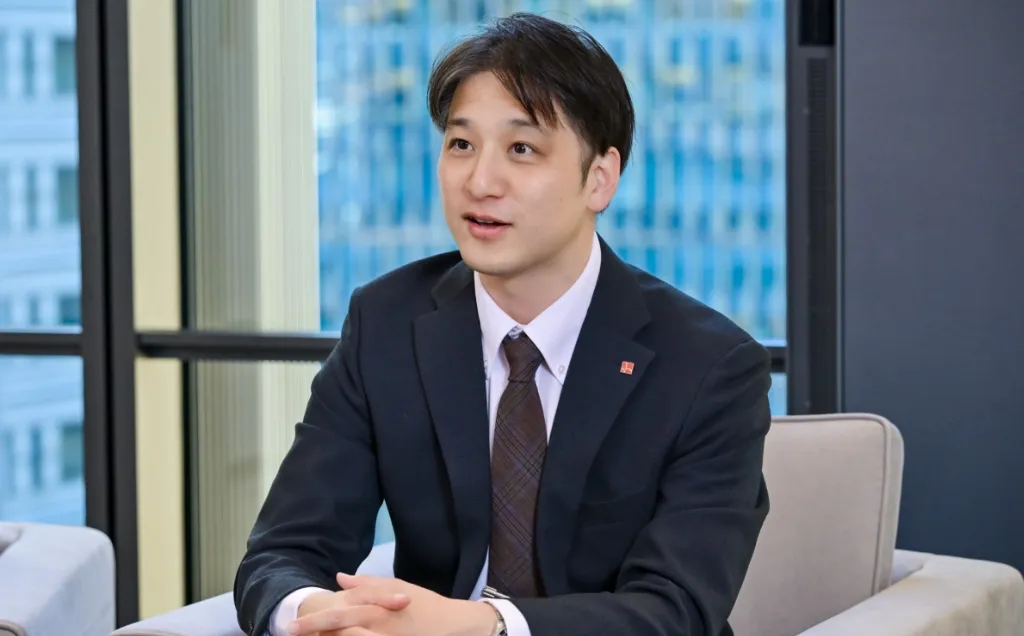
Executive Officer at Leave a Nest Co., Ltd. (Leave a Nest) Yusuke Shinozawa, a partner in the program, called the structure rare in Japan.
“It’s still uncommon for private-sector organizations to provide 5 million yen per person each year for 4 years. The freedom in how the funds can be used is truly groundbreaking, giving researchers the stability to settle in and devote themselves to their work. It’s genuinely exciting.”
In addition to the funding, the program offers non-financial support tailored to each recipient. It is intended to strengthen researchers’ growth and social impact, including serving as a sounding board for researchers who can feel isolated and providing corporate matchmaking, mentoring, public relations support and financial literacy education.
Building a Multidimensional
Review Process to Bridge
Expertise
Gaps and Engage
Earnestly with Each Study
The toughest obstacle was building a credible selection process. For bankers without research experience, assessing cutting-edge research and originality can be difficult. To close that gap, the team built a multidimensional review structure that brought in outside expertise and multiple perspectives. They worked with Leave a Nest, which has experience translating science and technology into real-world applications, and with the nonprofit ETIC (Entrepreneurial Training for Innovative Communities), which has a track record of supporting social entrepreneurs. The team also drew on input from the Japan Society for the Promotion of Science to round out the review.
Okamoto also ran into dense technical terminology in the applications and worked to understand what researchers were trying to convey.
“The applications were difficult to understand, but they were written with real care and sincere passion. Rather than pretending to understand, the team read them closely and debated how each study could change society, where the bottlenecks were, and how we could contribute.”
Shinozawa said the selection process itself became a venue for dialogue connecting researchers and society.
“In evaluating candidates, the program looks not only at the research plan, but also at how the researcher intends to deliver impact through the work. The process, he added, helps put into words differences in thinking and expectations between researchers and society, deepening mutual understanding.”
Although support has not yet begun, the initiative is already having a positive impact. After an information session, researchers said they were encouraged that a company believes in researchers’ potential and is willing to support them. Even before any funds are disbursed, the long-term commitment by a private-sector organization to stand alongside researchers can be a powerful message to those who feel isolated.
Program ambassadors also stressed the importance of collaboration between academia and companies:
“Passion and curiosity matter, but partnership is essential if research is to generate enough impact to change society. The project responds to researchers’ aspirations and supports their efforts to tackle social challenges.”
From Pinpoint Support to
Broad Impact: Expanding
the Community of Researchers
and Supporting Companies
The program will not end with distributing funds. They want to build a community in which supported researchers connect with one another and with companies and social entrepreneurs, helping spur each other on. ETIC Social Innovation Division Senior Coordinator / and Beyond Company Secretariat Shunichi Miyachi stressed the value of community-building and its potential to scale.

“Innovative technology alone does not reach society. Change comes when people get involved, share knowledge, and bring others in so an initiative can grow like a snowball. Researchers, as the core of that snowball, can cultivate and circulate both their research and practice (‘Doing’) alongside their vision and way of being (‘Being’).”
Looking ahead, the team hopes to use the program as a model to broaden the circle of companies and individuals supporting researchers, contributing to stronger research infrastructure across Japan. Okamoto closed by sharing her thoughts on Shaka-kachi.*
“Social issues are complex and deep-rooted, and it’s easy to give up by telling ourselves they are ‘the responsibility of the state or society.’ However, society is a collection of individuals and companies. Sharing responsibility can feel heavy, but it also means we have the power to be part of the solution. If each of us takes on a share and works together, we can change things, and that first step can be enjoyable.”
*Shaka-kachi is SMBC Group’s slogan, meaning ‘creating social value,’ and inspires SMBC employees to drive social change.