


SMBC Group aims to create social value through the participation of all employees, offering diverse opportunities such as donations, volunteer activities, and pro bono work. In its pro bono program, employees collaborate with NPOs and other nonprofit organizations, using their professional skills and a portion of their work hours to address social issues. Launched in fiscal 2011 as the first initiative of its kind by a Japanese bank and expanded Group-wide in fiscal 2014, the SMBC Group Pro Bono Project is a long-term program in which employees provide three to six months of support to organizations facing diverse challenges, including public relations, data management and sales tool development.
While this months-long support allows deep engagement with issues, it can be a high barrier to entry for employees and host organizations seeking a more casual, introductory pro bono experience. To broaden participation, SMBC launched the 1Day Pro Bono Workshop in fiscal 2023, a program completed in about half a day.
A Condensed Co-creation
Experience:
Addressing NPO Challenges with Diverse
Perspectives
from
Cross-Industry Collaboration
The 1Day Pro Bono Workshop forms mixed teams of participants from multiple companies. Drawing on skills and expertise cultivated in their daily work, these teams plan and propose solutions to real challenges faced by participating organizations. Along with SMBC Group, employees from sectors such as manufacturing and consulting take part, making it a cross-industry program. Because the workshop concludes in about half a day, it offers an accessible way to experience pro bono work, while mixed teams with diverse knowledge and expertise generate solutions that would be difficult for a single company to produce alone.
This type of program is especially valuable in addressing organizational management challenges at NPOs and other nonprofit organizations. For organizations focused on day-to-day fieldwork, strengthening foundations such as management strategy and corporate sales often proves difficult due to limited resources and know-how. Pro bono work, which applies skills honed in corporate practice, directly complements these areas, and this intensive, short-term workshop has already generated practical solutions to such challenges. Choiceful Association, a general incorporated association tackling child poverty, is one organization that has experienced its impact. Participating since fiscal 2024, Executive Director & Founder Taisei Kurino explains,
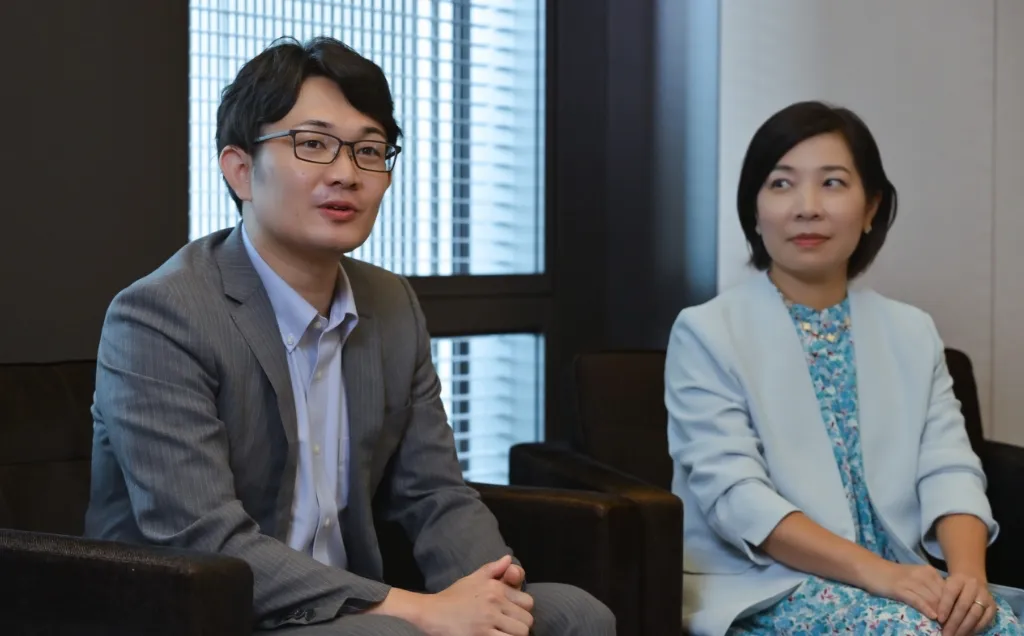
“On the day of the workshop, under the theme of ‘corporate sales,’ we received concrete and valuable advice from the pro bono participants on issues such as the wording of sales emails and how to prioritize our list of potential clients. By implementing sales activities based on that advice, we have achieved tangible results, including securing sponsorships.
”
Fostering Corporate
Collaboration to Gather
Diverse Expertise
and
Designing Operations to
Maximize Workshop
Outcomes
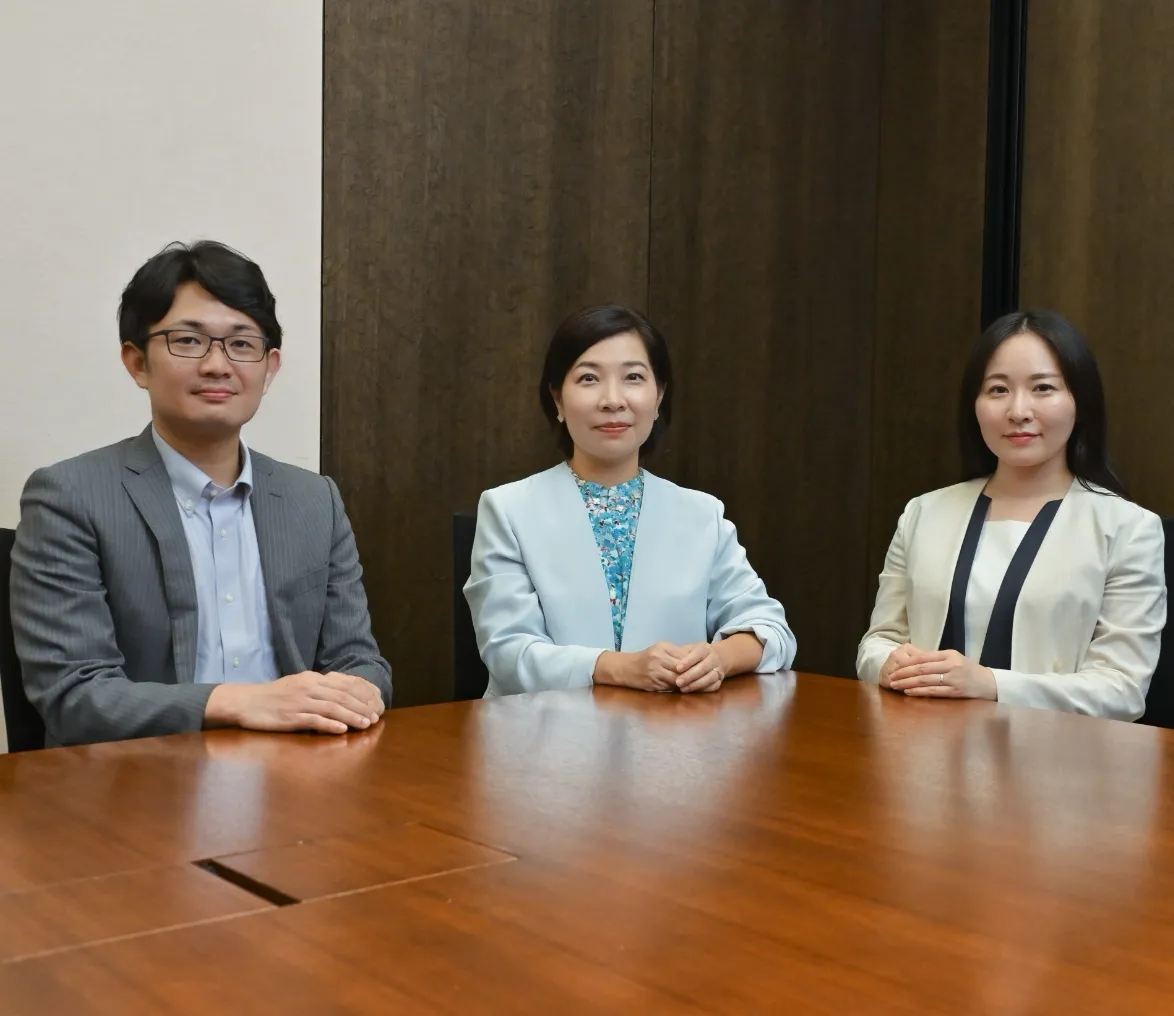
To bring this co-creation platform to life, close collaboration to involve a diverse range of companies was essential from the outset. Ryoko Okaya of the Sustainability Development Dept. at Sumitomo Mitsui Financial Group, Inc., who promoted the initiative, carefully explained the workshop’s unique value to potential partner companies.
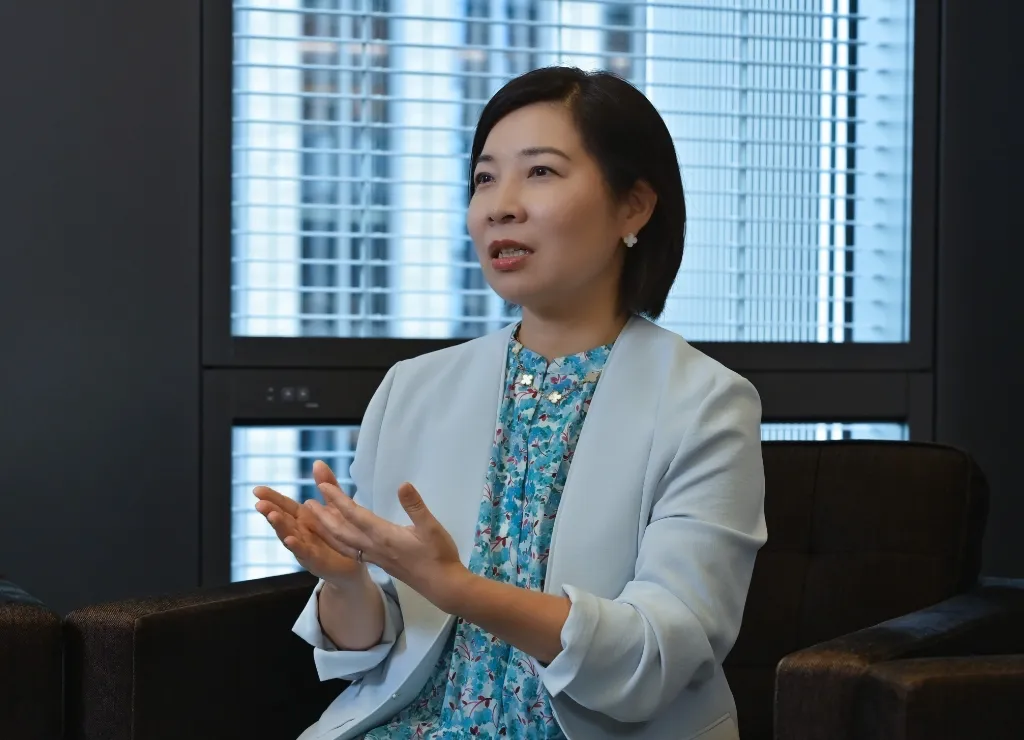
She highlighted that companies could use their networks to recruit employees and NPOs in their areas of interest, and that bringing together members from industries such as finance, manufacturing and consulting would expose participants to perspectives and knowledge a single company could not provide. This environment serves as a catalyst for new solutions, as well as a forum for employees’ personal growth and spontaneous networking. By clearly presenting these benefits, she broadened understanding and encouraged corporate participation.
Another key challenge was designing operations to maximize results within about half a day. Moe Morita of the same department, who took charge of the program in fiscal 2024, worked with intermediary support organizations to narrow down the scope of issues to be addressed through pro bono support. This step is essential for raising the quality of discussion, since a theme that is too broad can cause conversations to diverge and become difficult to resolve in a single session.
Unlike long-term pro bono projects, the 1Day program also leaves little time for site visits or in-depth organizational study. To compensate, Morita enhanced preparation by providing participants with information beforehand so they could deepen their understanding and devote as much time as possible to problem solving on the day. This steady groundwork enables discussions to begin smoothly once the workshop starts.
The program has also become a new challenge for employees with no prior pro bono experience and for NPOs and other organizations accepting support for the first time. In fiscal 2024, about 130 people from 43 companies took part and proposed solutions to 20 organizations.
Diverse Relationships That
Continue After the Program:
Pro Bono Participation as a
Catalyst for Taking a Step
toward Solving Social Issues
Employees who took part in the pro bono activities shared feedback such as, “I gained a deeper understanding of social issues and the activities of NPOs,
” and, “The perspectives and ideas of people from other industries, whom I do not usually interact with, were refreshing. I learned that when multiple strengths combine, results can be achieved even in a short time.
” Many also said, “I discovered that my everyday skills can be useful to society.
” Commenting on how these everyday skills create value, Morita notes, “For example, there are many cases where organizations find value in tasks that participants themselves may not even recognize as skills, such as organizing business workflows or drafting emails.
”
At the same time, supported organizations are experiencing concrete changes that contribute to growth. Through the SMBC Group Pro Bono Project, for instance, Choiceful Association received proposals for improving its business plan and public relations webpage, which encouraged it to apply for a fund it had been considering. Being selected as a donation recipient ultimately helped expand its activities. In fiscal 2025, the organization will also receive long-term pro bono support under the theme of strengthening its security infrastructure, leveraging the strengths of the financial industry to further enhance its organizational foundation.
Based on the positive response to these initiatives, Okaya shares her hopes for the future:
“I hope that participation in pro bono work will serve as a catalyst for each individual to become interested in social issues and to actively engage in solving them in ways they can, even outside the company.
”
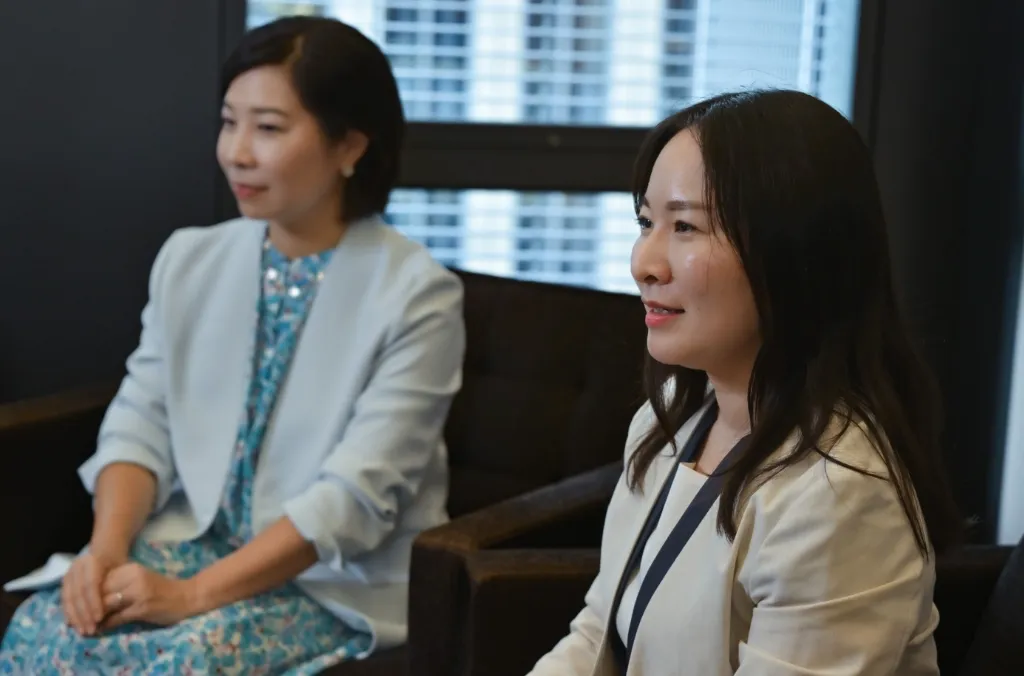
Finally, Morita offers a message of encouragement to those considering their first step toward social contribution:
“You may not realize it, but each and every person has the potential to make various contributions. Taking a step out of your current environment to try something new could be the catalyst for discovering a new you and your own way of engaging with society.
”