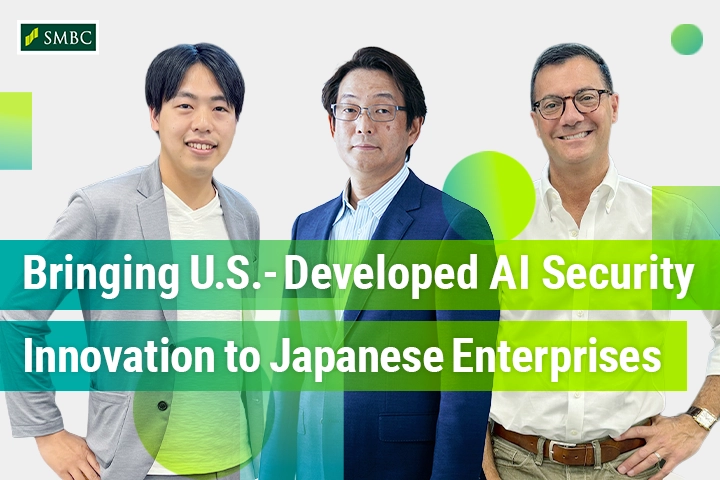
Bringing U.S.-Developed AI Security Innovation to Japanese Enterprises: SMBC Group’s Approach to Secure AI Adoption


Many companies have begun integrating AI into their operations. The next challenge is how to manage the associated risks while expanding its use. In Silicon Valley, one of the centers of AI security innovation, approaches to securing enterprise AI use are beginning to evolve. One emerging area of focus is the “intent” behind a user’s interaction with AI.
To stay ahead of these developments, two complementary organizations within SMBC Group work closely together: SMBC Fin Atlas Beyond Fund* (“Atlas”), launched in collaboration with Fin Capital, and the Silicon Valley Digital Innovation Lab (“SV Lab”), a research and business development hub. Together, they identify and evaluate emerging technologies and ideas from the United States, invest in promising companies, and bring relevant solutions to customers in Japan.
Through conversations with those directly involved, this article explores the latest developments in AI security in the United States and how SMBC Group is using these insights to help address the business challenges facing customers in Japan.
* The fund is a corporate venture capital (CVC) fund jointly established in July 2025 by Sumitomo Mitsui Banking Corporation (SMBC) and U.S.-based asset management firm Fin Capital. SMBC Group’s CVC activities are conducted under the “Atlas Beyond Ventures” brand.
What Is Happening in U.S. AI Security Today
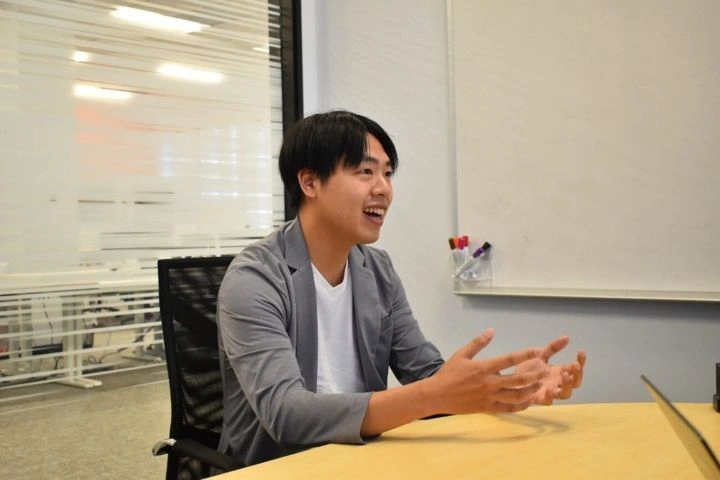
At SV Lab, where I work, we closely follow developments in advanced technologies, including AI. One trend we have observed is that, as AI adoption expands, the security challenges companies face are also beginning to change.
Many companies are adopting AI and establishing internal rules that define acceptable and prohibited uses. However, gaining full visibility into how AI is used across the organization and ensuring compliance with those rules is not easy. At the same time, prohibiting AI use altogether is not a realistic option.
At SV Lab, we believe that visibility into AI usage and alignment with internal policies will become increasingly important priorities for Japanese companies. The question is not whether to stop the use of AI, but how to create an environment in which it can be used safely. With this challenge in mind, we continue to research AI security trends emerging from the United States.
What becomes important, then, is understanding what the user intends to accomplish with AI. This approach, known as intent-based security, assesses risk by taking the user’s intent into account. Rather than mechanically blocking predefined keywords, it interprets the meaning and context of each input to determine whether it poses a risk.
For example, suppose a company has an internal rule that prohibits employees from entering customer information into external AI tools. If an employee enters, “The contact at Company A is cautious about securing next year’s budget and is concerned about integration with the existing system. Please draft a proposal memo,” the phrase “customer information” does not appear in the text.
Even without that specific phrase, the content indicates that information from a customer discussion has been entered into the AI tool. Under the company’s internal rules, the input may therefore need to trigger a warning or be blocked. This illustrates why AI security must increasingly evaluate meaning and context, rather than relying on keywords alone.
In the United States, interest in this kind of intent-based security is growing. WitnessAI is one of the companies offering an enterprise solution built around this concept.
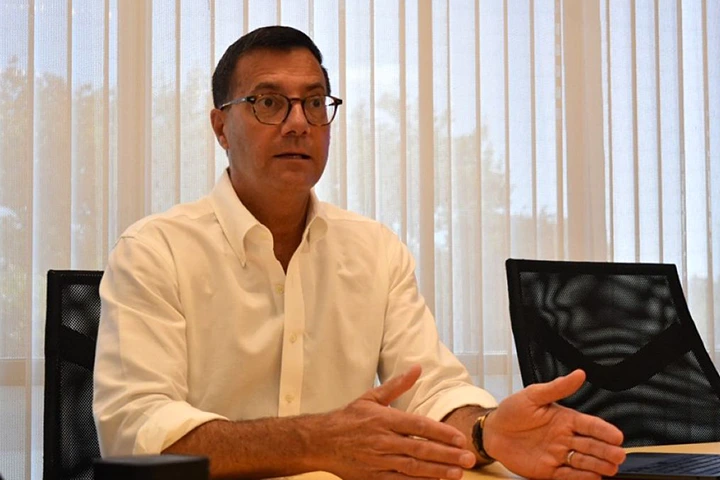
Our mission is to help enterprises use AI safely while realizing its full potential.
As AI adoption expands across departments and among individual employees, it becomes increasingly difficult for companies to understand who is using which AI tools, what information they are entering, and what they are trying to accomplish. WitnessAI provides guardrails that help enterprises use AI safely. It assesses risk based on user intent and the context of each input, while detecting, controlling, and recording activity as needed.
From Investment to Exploring Opportunities in Japan
At SV Lab, we evaluate technologies emerging from the United States through the lens of customer challenges, regardless of whether they are portfolio companies. Our connection with WitnessAI originated through Atlas’s investment. We believed that the challenge WitnessAI addresses, enabling the secure use of AI in business, would become an increasingly important priority.
We therefore began discussions with JSOL, the systems integrator within SMBC Group, to explore the possibility of offering the solution in Japan.
Bringing the Solution to Customers in Japan
We are hearing from a growing number of customers who want to use AI in their operations but tell us, “We do not know which AI tools our employees are using or what they are using them for,” or, “Even after establishing internal rules, we cannot tell how consistently those rules are being followed in practice.”
While traditional cybersecurity has focused on protecting networks, endpoints, and cloud environments, organizations must now also understand how AI is being used and ensure that its use remains secure.
When WitnessAI presented the product to us, what stood out was how the concepts of visibility and control over AI usage had been translated into concrete capabilities.
JSOL determined that the solution could help address customers’ challenges around AI adoption and entered into a reseller agreement with WitnessAI. However, applying new technology to a customer’s business environment requires more than simply understanding the product. Before implementation, organizations must address a range of considerations, including integration with existing security products, alignment with information management policies, the scope of AI usage log collection and retention, and connections to existing authentication, audit, and operational processes.
JSOL is currently acting as Customer Zero by deploying the WitnessAI solution within its own organization. Through this hands-on deployment, JSOL is validating these considerations and building practical expertise and operational know-how that can support future customer deployments.
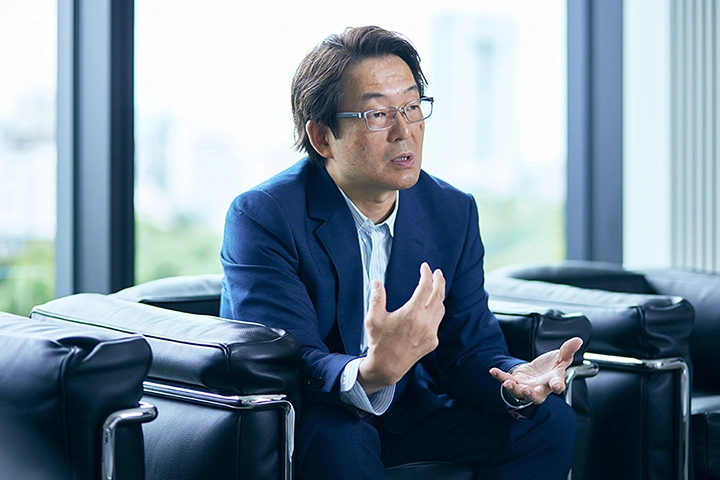
Within approximately four months of our initial connection through Atlas’s investment, we had established a framework for offering the solution to customers in Japan. We have now reached the stage where customers in Japan can begin evaluating this new U.S.-developed approach to AI security for potential adoption.
Looking Ahead: Staying at the Forefront of Security
The risks surrounding AI will evolve and emerge in new forms. What matters is creating an environment in which enterprises can integrate AI into their operations while recognizing that the risk landscape will keep changing. WitnessAI aims to translate insights from the forefront of AI security into capabilities that can be implemented in enterprise environments, delivering security that works in day-to-day business operations.
SMBC Group will continue to evaluate cutting-edge technologies and ideas emerging from the United States, adapt them to the needs of Japanese companies, and support their practical implementation. Rather than simply introducing new technologies, we aim to contribute to the secure adoption of AI by Japanese enterprises through collaboration across Group companies and end-to-end support, from validation to implementation.
-
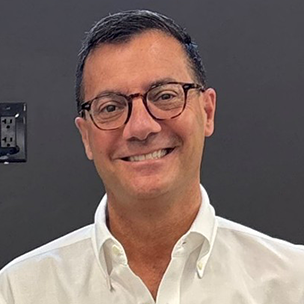
CEO & Co-Founder, WitnessAI
Rick Caccia
Rick Caccia is a cybersecurity entrepreneur and executive who founded WitnessAI to help enterprises secure their use of AI. Before founding WitnessAI, he held senior positions at several major cybersecurity companies, including Palo Alto Networks. He has helped develop and advance next-generation security strategies for cloud- and AI-driven environments and continues to contribute to the evolution of security models for the AI era.
-
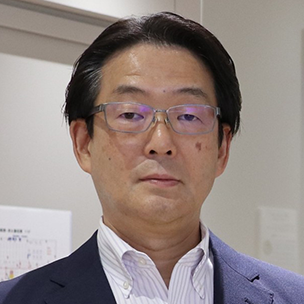
JSOL Corporation
Norishige Yamazoe
Norishige Yamazoe joined a major textile manufacturer in 1991 before moving to The Japan Research Institute in 1996. Since the mid-1990s, he has led numerous large-scale SAP implementations as an SAP Basis expert and overseen enterprise infrastructure platforms, including SAP environments. He later headed a business division responsible for cloud-based infrastructure and cybersecurity services. Since April 2025, he has led a newly established business division specializing in cybersecurity and next-generation operations services powered by AI.
-
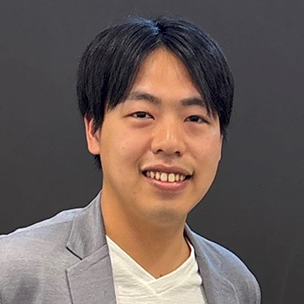
SMFG/JRI America
Shotaro Yasukochi
Shotaro Yasukochi joined JSOL Corporation in 2020. After gaining experience in the development and maintenance of infrastructure systems for the financial and insurance industries, he now conducts research and development at the Silicon Valley Digital Innovation Lab. He has been seconded to JRI America since 2024.